
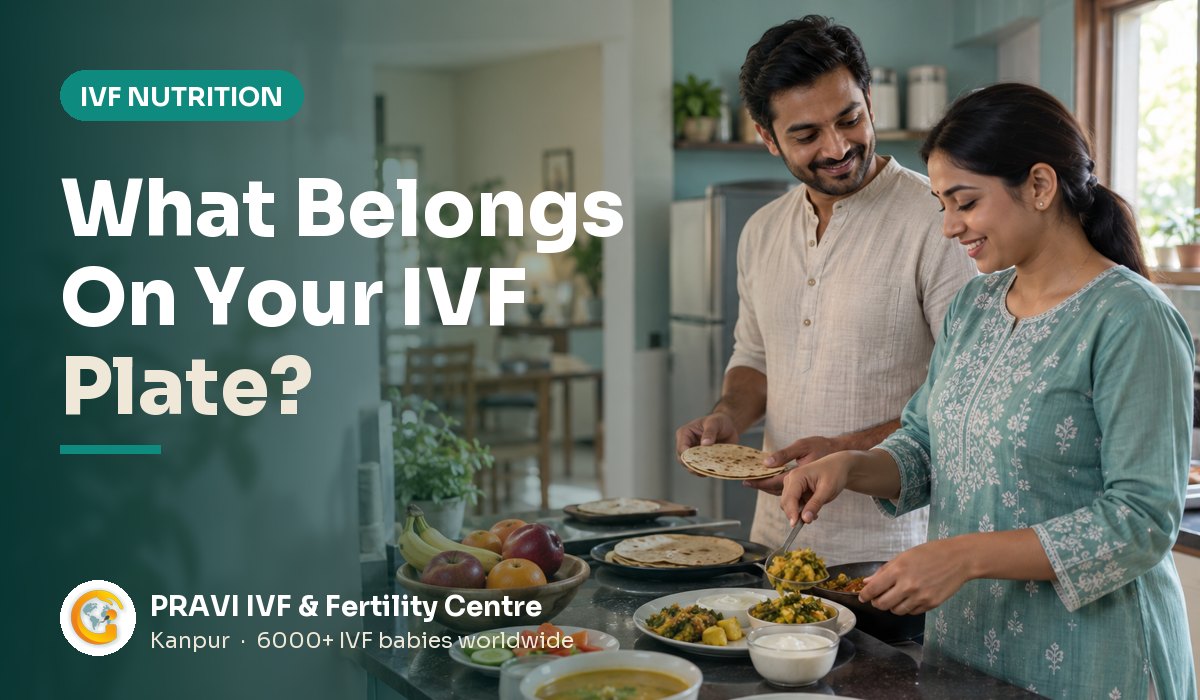
Diet During IVF: A Kanpur Food Guide
Medically reviewed by Dr. Monica Sachdeva · Updated 12 Oct 2026
Discover practical, science-backed nutritional advice tailored for couples undergoing IVF in Kanpur, featuring local food swaps, stage-by-stage meal plans, and fertility tips.
Undergoing fertility treatment brings many questions, and one of the most common is simple: "What should I eat?" When you begin your cycle, food suddenly feels like medicine. You want to give your body every possible advantage so your treatment succeeds.
For couples visiting us from Swaroop Nagar, Shardha Nagar, or looking for an IVF clinic near Kalyanpur, Kanpur, eating well can sometimes feel confusing. Kanpur is famous for its rich culinary heritage. From fragrant Birhana Road chaat to warm samosas and sweets, tempting foods are everywhere. However, an optimal Diet During IVF does not mean starving yourself or surviving only on bland salads.
Instead, good fertility nutrition is about balance, clean fuel, and nourishing your reproductive tissues. At PRAVI IVF & Fertility Centre, our Medical Director Dr. Monica Sachdeva often reminds patients that simple, home-cooked food—classic ghar ka khana—is one of the greatest gifts you can give your body during treatment. Good food supports hormone production, improves blood flow to the uterus, and helps you manage the physical stress of injections.
Why Nutrition Matters During Your IVF Cycle
In vitro fertilisation requires your body to do a lot of work. Your ovaries respond to hormone medication to grow multiple eggs. Your uterine lining must thicken to welcome an embryo. Later, your body needs steady energy to support early implantation.
According to the World Health Organization (WHO), fertility is deeply connected to overall health and balanced lifestyle factors. While food alone cannot cure structural fertility issues, eating the right nutrients creates an environment where medical treatments have the genuine chance to work.
A supportive diet reduces systemic inflammation, balances blood sugar levels, and prevents sudden digestive problems. Constipation, severe gas, and bloating can make your cycle uncomfortable, especially around egg retrieval. Eating fresh, wholesome meals protects your gut health and keeps you feeling comfortable and calm throughout your care at our centre for IVF in Kanpur.
The Core Principles: An Indian Mediterranean Approach
Doctors around the world often recommend the Mediterranean diet for fertility. This diet emphasizes fresh vegetables, healthy fats, pulses, lean proteins, and whole grains. Clinical research highlighted by bodies like the American Society for Reproductive Medicine (ASRM) suggests that anti-inflammatory diets can positively influence treatment outcomes.
You do not need exotic western ingredients like avocados, kale, or quinoa to follow this principle. Our traditional northern Indian kitchen already contains remarkable superfoods if we prepare them with moderate oil and spices.
- Focus on Plant Proteins: Lentils, chickpeas, green grams (moong dal), and paneer are wonderful sources of steady protein.
- Healthy Fats for Hormone Health: Moderate amounts of homemade A2 cow ghee, mustard oil, crushed flaxseeds, walnuts, and almonds help your body absorb fat-soluble vitamins.
- Complex Carbohydrates: Switch from refined flour (maida) to whole wheat, millets like jowar and bajra, and brown or unpolished rice. These keep your insulin levels stable.
- Abundant Micronutrients: Load your plate with local, seasonal vegetables such as spinach, bottle gourd (lauki), ridge gourd (turai), carrots, and beetroot.
- Gentle Spices: Spices like turmeric (haldi), cumin (jeera), and ginger support digestion and lower inflammation without irritating your stomach.
Stage-by-Stage Nutrition Guide for Your IVF Cycle
Your nutritional needs change slightly as you move through different phases of your treatment. Here is how you can adjust your daily meals during each critical step.
1. The Ovarian Stimulation Phase
During stimulation, you receive daily hormone injections to help your follicles grow. Your ovaries become enlarged, which can make you feel full, bloated, or slightly sluggish. During this phase, protein and hydration are your genuine priorities.
Protein provides the building blocks for tissue growth and cellular repair. If you are vegetarian, include soaked sprouts, paneer, tofu, thick dal, and roasted chana in your daily routine. If you eat non-vegetarian food, boiled eggs, poached eggs, and light chicken stew are gentle on the stomach. High protein intake also helps our Chief Embryologist, Dr. Rit Shukla, work with strong cellular structures in our advanced embryology laboratory.
Drink at least 2.5 to 3 litres of fluids every day. In Kanpur's dry summer or chilly winter, keep a water bottle near you. Add fresh coconut water, thin buttermilk (chaach) tempered with cumin, and homemade vegetable soups to maintain your electrolyte balance.
2. Post-Egg Retrieval Recovery
Egg retrieval is a minor day-care procedure performed under light sedation. Afterward, your ovaries remain sensitive, and some mild fluid retention can occur. In rare cases, women develop Ovarian Hyperstimulation Syndrome (OHSS).
To prevent and ease bloating, lean heavily on electrolyte-rich liquids and high-protein foods. Avoid high-sodium restaurant meals, deep-fried snacks, and heavy gravies, as excess salt pulls water into your tissues and worsens bloating. Enjoy warm, soft meals such as moong dal khichdi cooked with a teaspoon of pure ghee, light vegetable clear soup, and tender coconut water.
3. The Embryo Transfer and the Two-Week Wait
After your embryo transfer, your main goal is to keep your body calm, warm, and nourished. Avoid unpasteurized cheeses, raw salads from outside eateries, and half-cooked foods to prevent food poisoning or stomach bugs.
Many women worry about eating hot-potency foods during this time. While medical science does not support superstitions about ordinary household foods causing miscarriage, we advise sticking to simple, easily digestible meals. Avoid unripe papaya, excess pineapple, and unwashed raw street vegetables. Focus on warm stews, steamed vegetables, soft rotis, and warm milk with a pinch of turmeric at bedtime.
Do not let yourself become constipated during the two-week wait. Straining puts unnecessary pressure on your pelvic floor. Eat fiber-rich foods like cooked spinach, oats, and soaked prunes or figs, and drink plenty of warm water throughout the day.
Smart Kanpur Food Swaps
Eating well does not mean giving up on taste. You can enjoy regional flavours by making thoughtful ingredient swaps at home. Here is a practical comparison guide for your daily kitchen routine:
| Traditional Kanpur Choice | IVF-Friendly Alternative | Why This Helps Your Fertility |
|---|---|---|
| Deep-fried Samosa or Kachori | Roasted Chana or Boiled Moong Chaat | Avoids inflammatory trans-fats and prevents blood sugar spikes. |
| Birhana Road Chaat with sweet chutney | Homemade Dahi Papdi with sprouted lentils | Delivers gut-friendly probiotics without hidden artificial syrups. |
| Refined flour (Maida) Naan or Paratha | Multigrain, Jowar, or Missi Roti | Provides steady energy, high dietary fiber, and natural B-vitamins. |
| Sugary Gulab Jamun or Thaggu ke Laddu | Soaked figs (anjeer), dates, or walnut laddoos | Satisfies sweet cravings while giving you zinc, iron, and magnesium. |
| Strong street tea with excess sugar | Cardamom & Ginger tea with minimal jaggery | Lowers caffeine load and calms digestive spasms naturally. |
| Heavy restaurant Paneer Butter Masala | Home-cooked Paneer Bhurji with peas and tomatoes | Delivers clean protein without excess sodium and heavy commercial cream. |
What About Male Fertility? Nutrition for Sperm Health
Fertility is always a shared journey between both partners. The food a man eats directly impacts the shape, movement, and genetic integrity of his sperm. Sperm takes roughly 70 to 90 days to develop, which means dietary improvements made today will show results in upcoming treatment cycles.
If you or your partner are seeking low sperm count treatment in Kanpur, your daily meals should be rich in antioxidants. Free radicals and oxidative stress can damage delicate sperm DNA. Antioxidants act like a shield, defending developing cells from environmental toxins and lifestyle stress.
Men should include these vital nutrients daily:
- Zinc: Found in pumpkin seeds, sesame seeds (til), lentils, and eggs. Zinc is essential for testosterone synthesis and healthy sperm count.
- Selenium and Vitamin E: Found in Brazil nuts, walnuts, sunflower seeds, and green leafy vegetables. These improve sperm motility.
- Lycopene: Found in cooked tomatoes, watermelon, and pink guava. Lycopene gives sperm a better shape (morphology).
- Vitamin C: Fresh amla (Indian gooseberry), oranges, and bell peppers help stop sperm from clumping together.
Men should also limit alcohol consumption, stop smoking completely, and cut out sugary sodas or energy drinks, as these directly lower sperm quality.
Navigating Kanpur Street Food and Eating Out
Kanpur is famous for street food culture. Family gatherings often revolve around evening outings for chaat, tikki, and seasonal sweets. When you are going through an IVF cycle, you might wonder if you have to isolate yourself from these social traditions.
The honest answer is that you need to be very careful about food hygiene. During IVF, your immune system is working hard, and hormone fluctuations can make your digestion sensitive. A single episode of food poisoning, diarrhea, or typhoid can disrupt your treatment schedule, cause severe dehydration, or interfere with embryo implantation.
Follow these sensible rules when socializing:
- Avoid Street Water: Strictly avoid golgappa water, iced drinks, or crushed ice from street stalls, as municipal and street water sources can carry harmful bacteria.
- Eat Freshly Cooked Foods: If you must eat outside, choose dishes that are cooked live in front of you and served boiling hot, such as fresh tandoori roti and freshly prepared dal.
- Skip Raw Salads at Weddings: Buffet salads often sit at room temperature for hours. Choose cooked vegetable preparations instead.
- Keep Home Snacks Handy: Keep a small box of roasted almonds, walnuts, and dry roasted makhana (fox nuts) in your bag so you do not reach for roadside snacks when hunger strikes.
Hydration and Digestive Comfort
Good hydration is just as important as good food. When your ovaries are stimulated, fluid balance shifts inside your body. Drinking enough clean water keeps your blood circulating freely, helps your kidneys flush out medication by-products, and prevents urinary tract infections.
Make sure your home water filter is serviced and working properly. If you are traveling between Kalyanpur, Swaroop Nagar, or nearby towns like Auraiya and Unnao for your scans, carry your own stainless steel water bottle. Avoid plastic bottles that sit in heated cars, as microplastics and chemical compounds can leach into the water.
For digestive comfort, incorporate natural carminatives into your meals. A warm cup of water boiled with half a teaspoon of fennel seeds (saunf) after lunch helps ease gas and fullness. Similarly, a small bowl of fresh homemade curd with lunch supplies healthy lactobacillus bacteria to strengthen your digestive tract, as guided by the NHS guidelines on IVF care.
Supplements: Food First, But Don't Skip Prescriptions
A wholesome diet provides the foundation of your health, but nutritional supplements bridge critical gaps during fertility treatments. Never start or stop over-the-counter supplements without talking to your doctor.
Your doctor will routinely prescribe essential fertility micronutrients:
- Folic Acid (or Methylfolate): Essential for preventing neural tube defects and supporting early cell division.
- Vitamin D3: A huge number of men and women in Uttar Pradesh have low vitamin D levels due to indoor routines. Healthy vitamin D levels are linked with better ovarian response and uterine receptivity.
- Coenzyme Q10 (CoQ10): An antioxidant that supports mitochondrial energy within the egg and sperm cells.
- Iron and Calcium: Timed carefully so they do not interfere with each other's absorption. Take iron with vitamin C (like lemon water) and keep calcium separate.
Emotional Health and Your Relationship with Food
Finally, remember that food should bring you joy and nourishment, not extra guilt or anxiety. An IVF cycle can be an emotional rollercoaster. It is completely normal to have days when you feel tired, bloated, or tearful.
Do not punish yourself if you crave a bite of something sweet. Having a small piece of dark chocolate or a spoon of your favorite dessert once in a while will not ruin your cycle. What matters most is what you do consistently, day in and day out. Surround yourself with supportive family members who can help prepare fresh meals, take short evening walks in your local park, and give your body the rest it deserves.
Every family's health profile, body mass index (BMI), medical history, and cycle protocol are unique. At PRAVI IVF & Fertility Centre, our clinical team works closely with you to design a holistic treatment plan that includes clear, sensible lifestyle and dietary guidance alongside advanced reproductive medicine.
If you are planning your fertility journey or have questions about nutrition and treatment protocols, our compassionate team is here to guide you. Take the first step toward building your family by scheduling your consultation. Please book an appointment online or reach out to us directly through our contact page to visit our Swaroop Nagar or Shardha Nagar clinics in Kanpur.
Frequently asked questions
Can I drink tea or chai during my IVF cycle in Kanpur?
Yes, you can still enjoy your morning cup of chai, but it is genuine to limit your intake to one or two small cups per day. Excessive caffeine can affect blood vessel constriction and sleep quality. Make your tea at home with minimal sugar, fresh ginger, and green cardamom instead of drinking commercial street tea.
Is a purely vegetarian Indian diet sufficient for good IVF results?
A well-planned vegetarian diet provides all the essential nutrients needed for successful IVF. Focus on diverse protein sources such as paneer, moong dal, chickpeas, sprouts, and nuts. Your fertility doctor may also prescribe vitamin B12 and iron supplements to ensure your blood levels are completely balanced.
Should I completely stop eating ghee during fertility treatment?
No, you do not need to eliminate pure cow ghee from your diet. Healthy fats are necessary for the synthesis of reproductive hormones like estrogen and progesterone. One to two teaspoons of fresh ghee daily on warm rotis or dal supports digestion and nutrient absorption without causing unnecessary weight gain.
Why is eating street food discouraged during ovarian stimulation?
Street food carries a high risk of bacterial contamination, waterborne illnesses, and food poisoning. Experiencing vomiting, diarrhea, or high fever during ovarian stimulation can dehydrate your body, interfere with medication absorption, and cause significant physical distress right before your egg collection.
Is it true that I should avoid papaya and pineapple during IVF?
Unripe or semi-ripe papaya contains latex and papain, which can trigger uterine contractions, so it is strictly avoided during embryo transfer and early pregnancy. Ripe pineapple contains bromelain, but in tiny household amounts it is generally harmless; however, most doctors advise avoiding excess quantities simply as an extra precaution.
How much water should I drink daily during the stimulation phase?
Aim for 2.5 to 3 litres of fluids each day to help your kidneys clear medication metabolites and reduce abdominal bloating. Combine plain filtered water with natural electrolyte drinks like tender coconut water, diluted buttermilk (chaach), and clear vegetable broths for the genuine hydration balance.
Can I observe religious fasting (vrat) while undergoing an IVF cycle?
Fasting is not recommended during active IVF cycles. Prolonged fasting causes sharp drops in blood sugar, electrolyte imbalances, and physical weakness, while hormone medications require steady metabolic support. Speak candidly with your doctor to find safe alternatives that respect your beliefs without compromising your treatment.
What foods help thicken the endometrial lining before embryo transfer?
Nutrients that promote blood flow and reduce oxidative stress can support a healthy uterine lining. Incorporate L-arginine-rich foods like pumpkin seeds and beans, iron-rich greens like cooked beetroot and spinach, and omega-3 sources like walnuts and flaxseeds, alongside your prescribed hormonal medications.