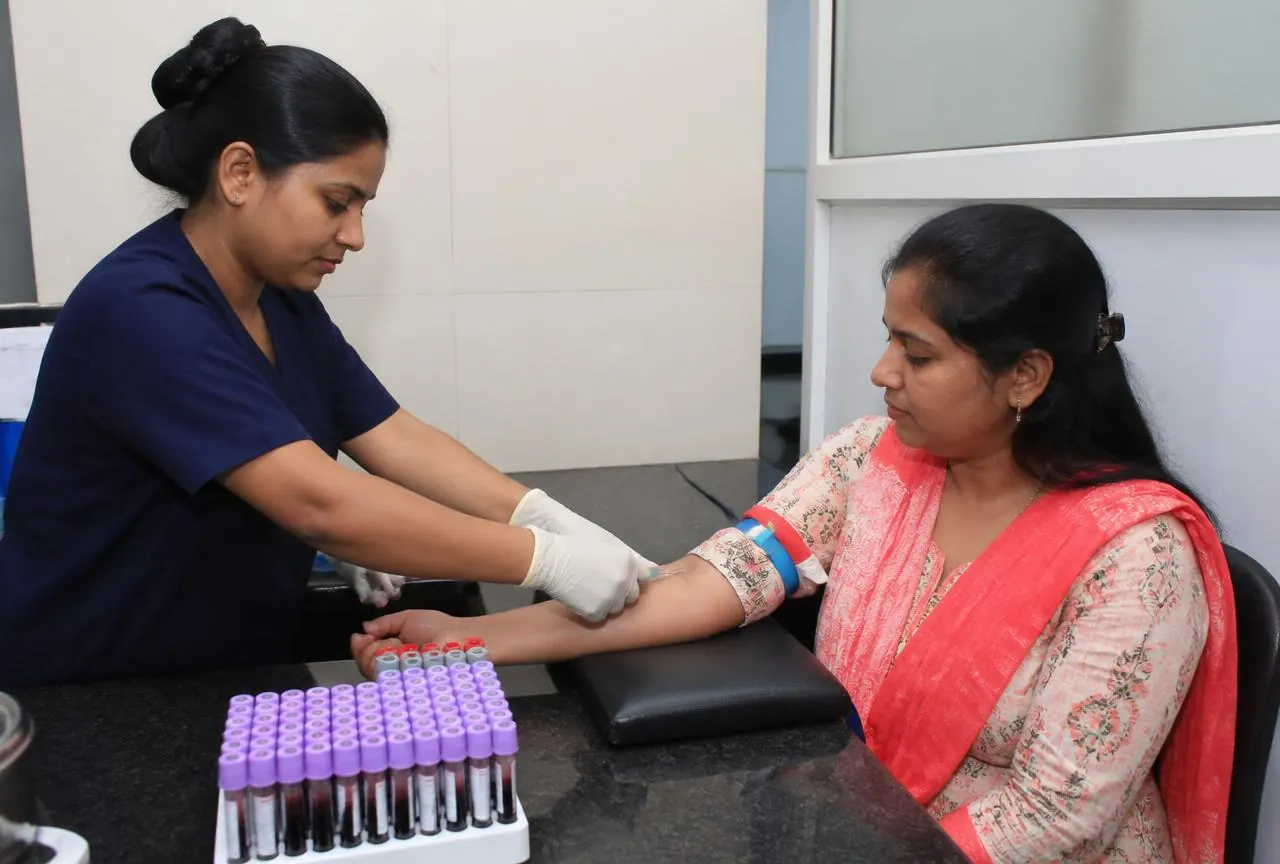
Hormones are chemical signals that coordinate ovulation, menstrual cycles and sperm production. Fertility hormone testing measures selected signals in blood to investigate a specific concern, such as infrequent periods or a suspected problem with ovarian or testicular function. Commonly considered tests include follicle stimulating hormone, luteinising hormone, estradiol, progesterone, anti-Müllerian hormone, thyroid stimulating hormone and prolactin. Testosterone and other androgen measurements may be relevant in selected situations. Not everyone needs every test, and a larger panel does not automatically provide a clearer answer.
A hormone report is one part of an assessment, not a complete measure of reproductive health. Results may suggest whether ovulation has occurred, whether a thyroid or prolactin problem deserves investigation, or how the ovaries might respond to stimulation. They do not show whether the fallopian tubes are open, establish embryo health or reliably predict whether pregnancy will happen. Interpretation therefore needs your symptoms, medical history and other appropriate investigations.