0% interest EMI options · Clear treatment costs explained before you begin · Book consultation

Laparoscopy treatment at PRAVI IVF
Understanding when keyhole surgery may help fertility care

Laparoscopy in Kanpur

Laparoscopy allows a surgeon to examine and sometimes treat conditions within the pelvis through small abdominal incisions. It may be considered for selected cases of endometriosis, ovarian cysts, adhesions, fibroids or suspected tubal disease, but it is not a routine fertility test. At a PRAVI IVF consultation in Kanpur, you can discuss whether surgery would answer an important clinical question, what alternatives exist and how recovery could affect your fertility plans.

  • Laparoscopy examines the outside of the uterus, ovaries, fallopian tubes and surrounding pelvic structures.
  • Diagnostic examination and surgical treatment require a clear discussion of the planned scope and consent.
  • The effect on fertility depends on the condition found, the procedure performed and other reproductive factors.

Who this is for

  • People with persistent pelvic pain or symptoms suggesting endometriosis when further investigation or treatment may be appropriate.
  • People with an ovarian cyst that needs assessment beyond ultrasound or may require surgical treatment.
  • People with suspected adhesions or tubal disease where the findings could change fertility management.
  • People with selected fibroids whose size and position may justify a discussion about laparoscopic removal.
  • People advised to consider pelvic surgery before fertility treatment who want to understand its purpose, alternatives and risks.

Why patients choose PRAVI

High

IVF success rate

6,000+

Babies delivered

4.9/5

600+ patient reviews

18+

Years of fertility care

Mon – Sat · 9:00 AM – 7:00 PM

Step by step

How the Laparoscopy process works

01

Clarify the reason for surgery

The consultation reviews symptoms, fertility history, previous operations and imaging. The central question is whether laparoscopy is likely to provide information or treatment that meaningfully changes care compared with less invasive options.

02

Complete assessment and consent

If surgery is appropriate, preoperative tests and an anaesthetic assessment are arranged. Consent should distinguish examination from possible treatment and explain limits, alternatives, fertility implications and what happens if unexpected disease is found.

03

Examine and treat the pelvis

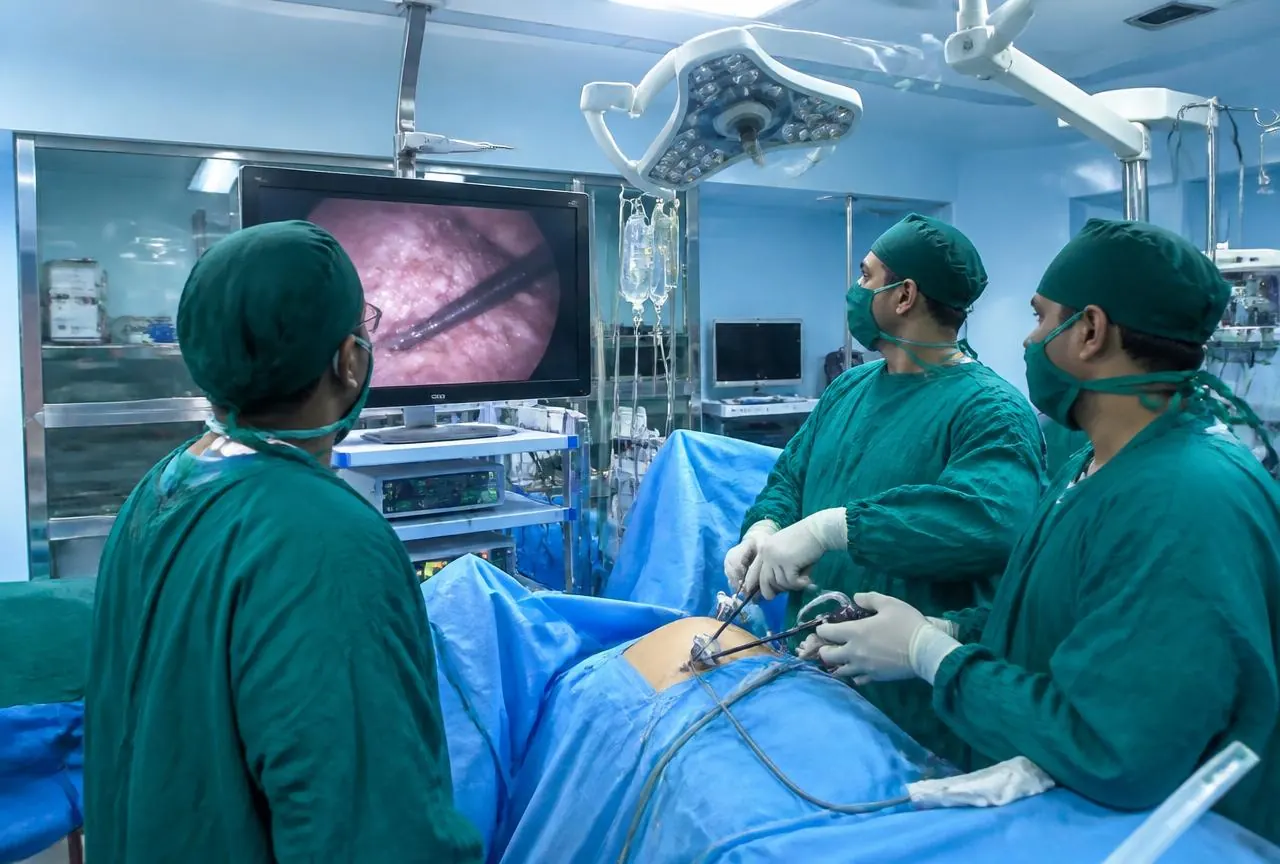
Under general anaesthesia, a camera and surgical instruments are introduced through small abdominal incisions. Depending on prior consent and operative findings, the surgeon may examine pelvic structures, test tubal passage or perform agreed treatment.

04

Recover and review the findings

Recovery is monitored after anaesthesia, with discharge based on the operation and your condition. Follow-up reviews findings, any tissue results, wound healing and the appropriate timing for pregnancy attempts or further fertility treatment.

What laparoscopy can show inside the pelvis

Laparoscopy is an operation that uses a thin camera to view the abdominal and pelvic cavity through a small incision, usually near the navel. Gas is introduced to create working space, and additional small incisions may be needed for instruments. In fertility care, the surgeon can assess the ovaries, fallopian tubes, outer surface of the uterus and surrounding tissues. This view may identify endometriosis or adhesions that are not fully characterised by scans. However, an operation is justified only when the expected information or treatment outweighs its risks.

A diagnostic laparoscopy focuses on examination, whereas an operative laparoscopy includes treatment agreed beforehand. These are related but not interchangeable: finding a problem does not automatically mean it should be treated immediately. Laparoscopy also differs from hysteroscopy, which examines the inside of the womb through the cervix. Some concerns require one procedure, others neither, and occasionally both may be considered for separate clinical reasons.

When surgery may help—and when it may not

Laparoscopy may be considered when symptoms, examination or imaging suggest a pelvic condition that needs surgical assessment. Examples include persistent pain associated with suspected endometriosis, a concerning or symptomatic ovarian cyst, or suspected adhesions after infection or previous surgery. Selected fibroids may be suitable for laparoscopic removal, but their position and relationship to the uterine cavity matter more than their presence alone. Many fibroids do not need surgery for fertility reasons, and some are better addressed through a different approach.

For someone undergoing infertility evaluation without symptoms or suspicious findings, laparoscopy is not routinely required. Less invasive tests may answer the relevant question, and fertility treatment may sometimes be preferable to an operation. The decision should account for age, ovarian reserve, duration of infertility, semen findings and personal priorities. Significant medical illness or extensive previous surgery may also alter the balance. Ask whether the proposed operation is intended to relieve symptoms, establish a diagnosis, improve treatment planning or address a specific obstacle to conception.

Tests and questions before deciding on laparoscopy

Assessment usually begins with a detailed symptom and fertility history, including menstrual pain, pain during intercourse, previous pelvic infections and earlier abdominal operations. Ultrasound helps evaluate the uterus and ovaries; further imaging may be appropriate if deep endometriosis or complex anatomy is suspected. Tubal assessment with HSG or an ultrasound-based test may be considered before surgery. These tests provide different information from laparoscopy, and an apparent tubal blockage may need interpretation because spasm or technical factors can affect findings.

Preoperative assessment considers general health, medicines, allergies, previous anaesthetic problems and the possibility of pregnancy. Blood tests and other investigations are selected according to the planned operation and health history. Where ovarian surgery is being considered, discussing ovarian reserve is particularly important. AMH can help estimate egg quantity and response to stimulation, but it does not measure egg quality or determine whether natural pregnancy is possible. Bring earlier scans and operative reports so that avoidable repeat investigations can be discussed.

  • What specific finding makes surgery worth considering in my case?
  • Could imaging or another test answer the same question?
  • Would the result change my fertility treatment plan?

What happens during a laparoscopic operation

Laparoscopy is usually performed under general anaesthesia. After access to the abdomen is established, the surgeon inspects the pelvic organs and records relevant findings. If tubal assessment is planned, dye may be introduced through the cervix to observe whether it passes through the tubes. Passage indicates openness at that time, not normal tubal function or a guarantee of conception. The length and complexity of surgery vary according to the findings and the treatment that has been agreed.

Possible operative steps include removing selected cysts or fibroids, treating visible endometriosis, or separating suitable adhesions. Treatment near the bowel, bladder or ureters may require additional expertise and advance planning. If unexpected extensive disease is found, it may be safer to stop after assessment and discuss another procedure rather than proceed beyond consent. Occasionally, conversion to an open operation is necessary for safety. Before surgery, clarify which procedures are authorised and how decisions affecting an ovary, tube or uterus would be handled.

How the condition found changes fertility decisions

The fertility implications of surgery differ by diagnosis. Endometriosis treatment may be considered for pain or selected fertility circumstances, but surgery before IVF is not automatically beneficial. Removing an ovarian endometrioma can also remove or damage healthy ovarian tissue, reducing ovarian reserve. Repeated ovarian surgery deserves particular caution. Similarly, a cyst that appears suitable for observation does not necessarily need removal before treatment. The discussion should compare the reasons for operating with the consequences of waiting or proceeding with fertility care.

Adhesions can distort pelvic anatomy, but they may reform after surgery, and separating them does not restore every aspect of tubal function. Not all blocked tubes can or should be repaired. A fluid-filled damaged tube, called a hydrosalpinx, may lead to discussion of removal or occlusion before IVF. Fibroid surgery depends on location, symptoms and uterine involvement. Ovarian drilling is a separate procedure considered only in selected PCOS circumstances, not a routine addition to laparoscopy; it also carries adhesion and ovarian reserve risks.

Risks and limits to discuss before consent

Small incisions do not make laparoscopy risk-free. Possible complications include bleeding, infection, blood clots, anaesthetic reactions and injury to the bowel, bladder, blood vessels or urinary tract. An injury may require repair, further surgery or a longer hospital stay, and some problems become apparent only after discharge. Risks depend on the procedure, existing disease, previous operations and general health. Your surgeon and anaesthetist should explain which concerns are most relevant to the proposed operation rather than relying on a general description.

Other limitations concern the result itself. Surgery may not identify a clear explanation for pain or infertility, and symptoms may persist despite treatment. Endometriosis and adhesions can recur. Ovarian surgery may reduce reserve, while surgery involving the uterine muscle may affect the timing of pregnancy and planning for a future birth. An improved pelvic appearance does not establish that conception will follow. If IVF or ICSI is subsequently considered, fertilisation does not guarantee implantation or live birth, and ICSI is not routinely better for everyone.

Preparing for surgery and recovering safely

Before admission, follow the treating team's instructions about fasting, medicines and arrival arrangements. Do not stop prescribed treatment without advice; medicines affecting bleeding or blood sugar may need a specific plan. Tell the team about supplements, smoking, recent illness and any possibility of pregnancy. Arrange transport home and support during early recovery. Ask what practical help may be needed with work, childcare or lifting. Bowel preparation is not universal and should only be used if the surgical team specifically requests it.

After surgery, temporary abdominal discomfort, bloating, tiredness or shoulder-tip pain from the gas may occur. The team should explain pain relief, wound care, mobility and restrictions on exercise, intercourse and driving. Discharge timing depends on recovery and the operation; same-day discharge should not be assumed. Gradual movement is generally encouraged as advised, but recovery after extensive treatment can take longer than after examination alone. Obtain clear contact instructions before leaving, including where to seek urgent assessment outside the clinic's usual arrangements.

  • Seek urgent assessment for worsening abdominal pain, fever, persistent vomiting or heavy bleeding.
  • Chest pain, breathlessness, fainting or a painful swollen leg require immediate medical attention.
  • Report wound redness, discharge or difficulty passing urine promptly.

Reviewing findings and planning care at PRAVI

Follow-up should explain what was seen, what treatment was performed and whether any tissue examination results are pending. Request a copy of the operation summary and discuss how the findings relate to symptoms and fertility. The next step may be observation, symptom treatment, trying to conceive, further tubal assessment or assisted reproduction. There is no single waiting period that suits every operation. In particular, surgery involving the uterine wall may require a specific healing discussion before pregnancy attempts are considered.

At a PRAVI IVF consultation in Kanpur, bring previous fertility records, imaging and details of any pelvic surgery. Ask whether laparoscopy is necessary now, what would change if it were deferred and whether ovarian reserve or treatment timing affects the decision. The consultation should confirm the actual availability, surgical pathway, treating team, hospital arrangements and consent process rather than assuming these from a general treatment page. You can also ask who will review results and coordinate subsequent fertility care, especially if complex surgery or referral to another specialist is recommended.

Frequently asked questions

This information does not replace an individual medical assessment. Treatment suitability, available services and any legal requirements must be confirmed with the clinic before you begin.

Other services