

Genuine IVF Centre in Kanpur
Choosing the genuine IVF centre in Kanpur is an important decision because your treatment plan depends on your fertility needs, age, medical history, the doctor you consult and your test results. A good centre should have experienced fertility specialists, the right treatment options, clear information about IVF cost and success rates, and proper support throughout your treatment.
PRAVI IVF & Fertility Centre is a fertility centre in Kanpur that offers IVF treatment, IUI, ICSI and other fertility treatments based on your individual needs. You can consult a fertility specialist, get a fertility test and explore treatment options at our Swaroop Nagar and Shardha Nagar centres. If you are looking for the genuine IVF clinic in Kanpur, you can book a consultation to understand which fertility treatment may be right for you.
Clinic hoursMonday–Saturday
Fertility services
Why Choose PRAVI IVF in Kanpur for Your Parenthood Journey?
At PRAVI IVF & Fertility Centre, Kanpur, your fertility journey is treated with care, attention and a focus on what is right for your case. Our doctors examine both partners and take time to understand your concerns before suggesting any treatment.
From the first consultation and fertility tests to treatment and follow-up, our team gives clear guidance in simple Hindi or English, careful planning and support at every step.
18+ Years Experienced Doctors
Led by Dr. Monica Sachdeva (DRM, Germany), our specialists handle everything from first-time IUI to complex repeated IVF failure cases.
High Success Rate
6,000+ babies welcomed through careful diagnosis of both partners and treatment plans built around your own reports.
Personalised Care
Every couple is different — your plan is based on your age, health, history and previous cycles, with the same doctor through the journey.
Advanced ART Lab
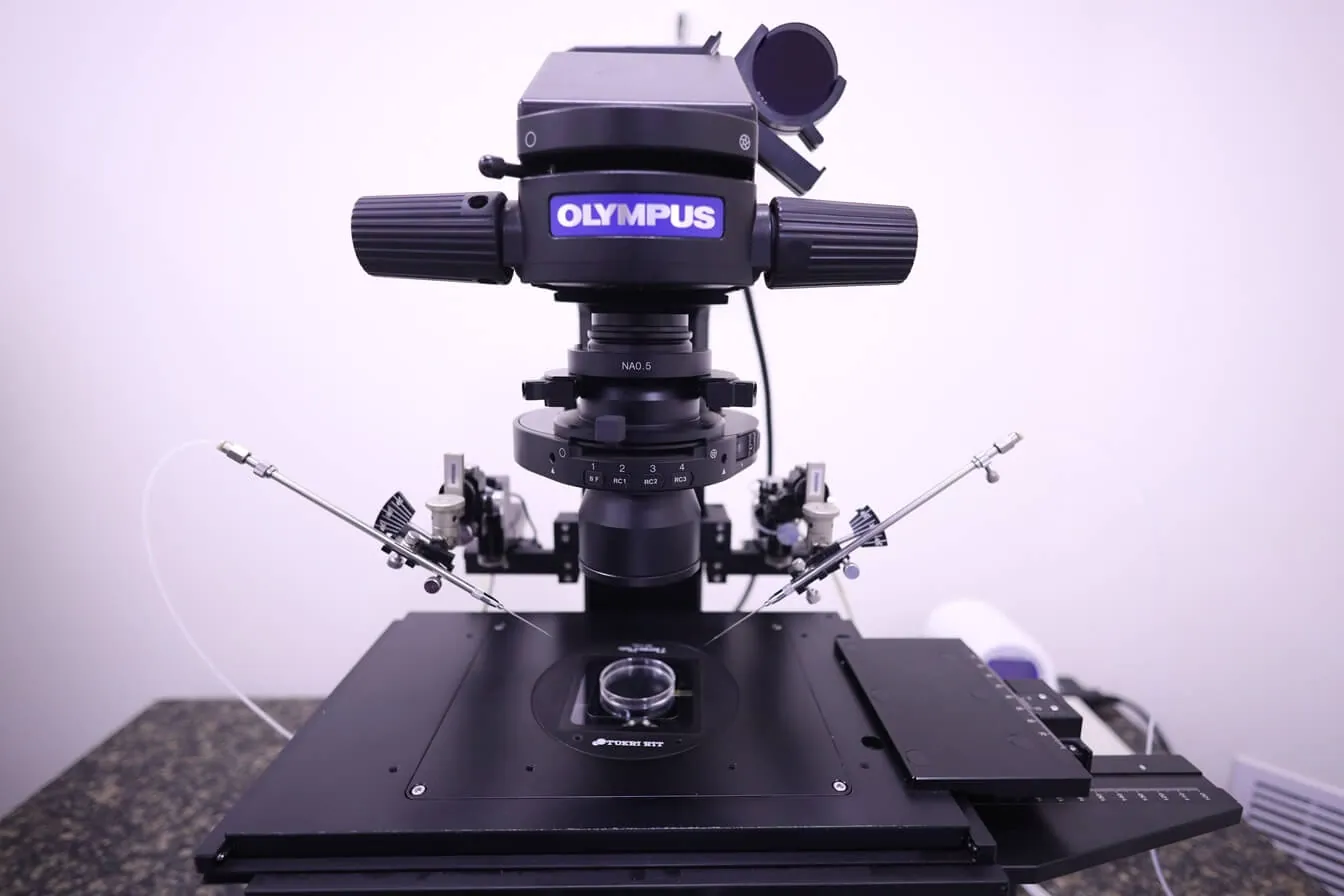
An ISO Class 10,000 cleanroom embryology lab with continuous air, temperature and identity checks to protect embryo quality.
Transparent Treatment Pricing
Your full treatment cost is explained in writing before you begin — no surprises halfway, with 0% interest EMI options.
Trustworthy and Safe
ICMR-compliant, documented protocols at every step, and complete confidentiality of your identity and medical records.
Why Patients Choose PRAVI IVF for Fertility Treatment in Kanpur?
Choosing a fertility centre is an important decision, especially when you are comparing options in Kanpur. At PRAVI IVF & Fertility Centre, your cycle is handled by senior fertility doctors and a senior embryologist team in an ISO Class 10,000 cleanroom lab — the reason families keep coming back to us, with 6,000+ babies welcomed so far.
What matters most
PRAVI IVF Kanpur
Other clinics
Senior IVF specialist consultation
Senior embryologist handling your embryos
High success rate
ISO Class 10,000 cleanroom ART lab
Both partners examined before treatment
Treatment plan based on individual evaluation
Written treatment cost before you begin
ICMR-compliant protocols and consent
Emotional support at every step
Comprehensive fertility services under one roof
Senior IVF specialist consultation
Yes, same specialist through your cycle
Varies by clinic
Senior embryologist handling your embryos
Yes, dedicated embryologist team on site
Not always available
High success rate
Yes, 6,000+ babies welcomed
Rarely disclosed
ISO Class 10,000 cleanroom ART lab
Yes, with continuous air and temperature checks
Varies by clinic
Both partners examined before treatment
Yes, always
Not always
Treatment plan based on individual evaluation
Yes, built around your own reports
No
Written treatment cost before you begin
Yes, with 0% interest EMI options
Varies
ICMR-compliant protocols and consent
Yes, followed at every step
Not applicable
Emotional support at every step
Yes
No
Comprehensive fertility services under one roof
Yes, IVF, ICSI, IUI and surgical care
Varies
The “Other clinics” column describes how these facilities commonly vary across fertility centres in general. It is not a claim about any specific clinic.
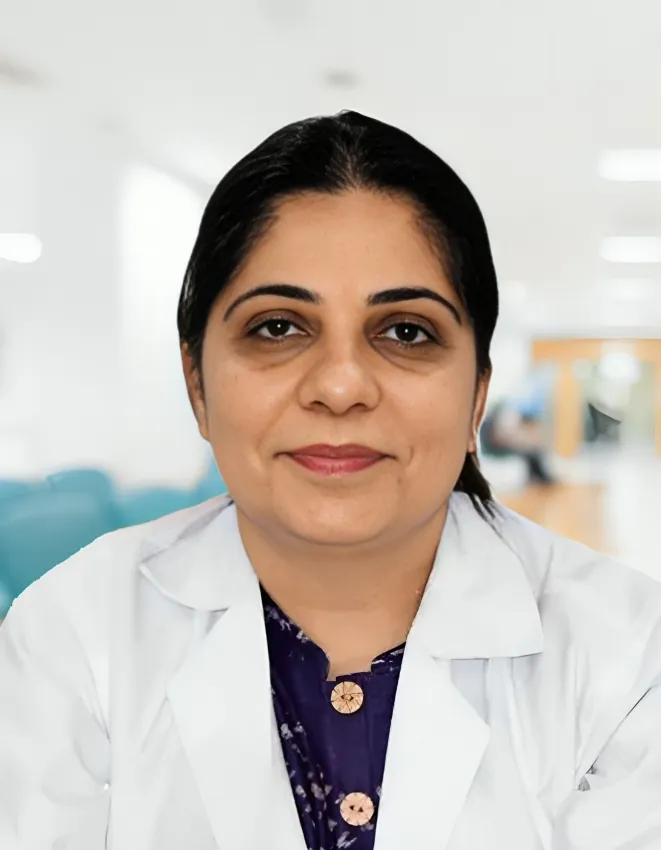
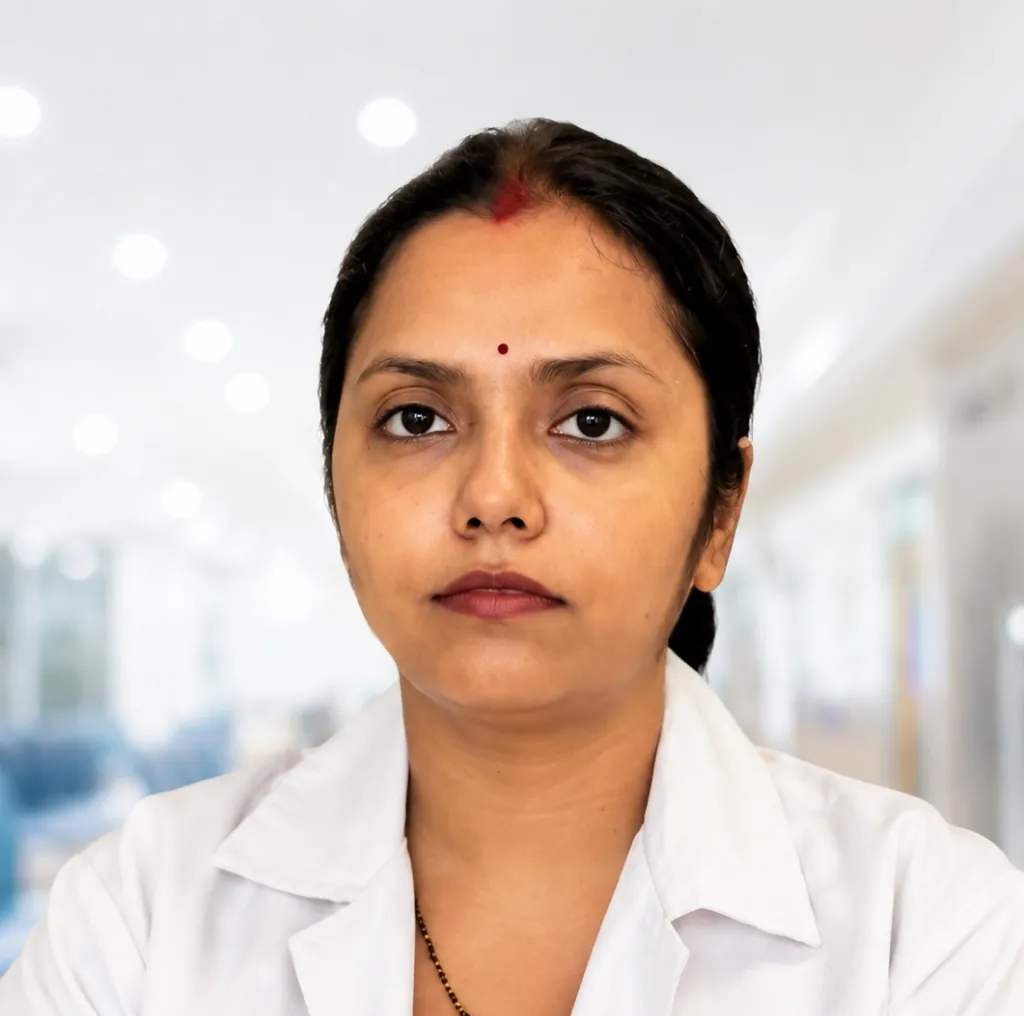
Dr. Monica Sachdeva
Medical Director & Senior IVF Specialist
MBBS, DNB (Obs & Gynae), MRCOG, FICOG, Fellow Rep. Med. · DRM (Germany)
18+ years of experienceTrained in reproductive medicine (DRM) at Kiel, Germany, Dr. Monica leads every IVF, ICSI and IUI treatment plan at the Kanpur and Delhi centres. Her special interest is recurrent IVF failure, low ovarian reserve and fertility preservation, and she guides the ICOG recognised IVF fellowship programme.
- Complex IVF & ICSI
- Recurrent IVF failure
- Low ovarian reserve
- Individual care plans
Professional memberships
About PRAVI IVF Fertility Centre in Kanpur
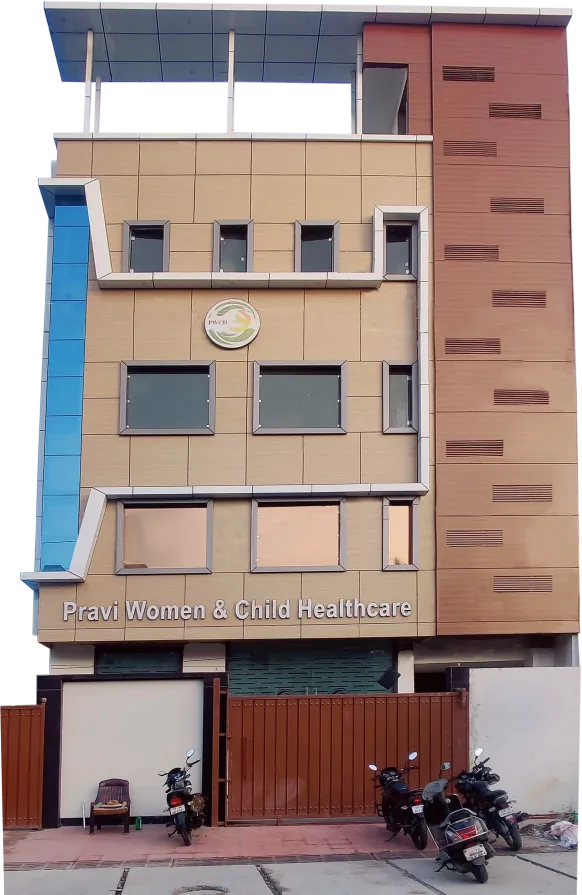
PRAVI IVF & Fertility Centre is located in Swaroop Nagar, Kanpur, a well-connected part of the city. The centre is close to our Shardha Nagar mother & baby care hospital, making it easy to find the clinic and reach it from different parts of Kanpur.
The location is accessible by car, auto, cab and public transport, so you can plan your visit without travelling to a far-off area. Being in Swaroop Nagar also makes the centre convenient for patients coming from nearby areas of Kalyanpur, Kakadeo, Rawatpur, Govind Nagar and other parts of the city.
If you are looking for an IVF centre in Kanpur that is easy to reach, the Swaroop Nagar location offers a convenient option for your fertility consultation and treatment. You can meet fertility specialists, discuss your medical history and get the tests needed to understand the possible cause of infertility. Based on your reports and fertility goals, your doctor can suggest a suitable treatment plan.
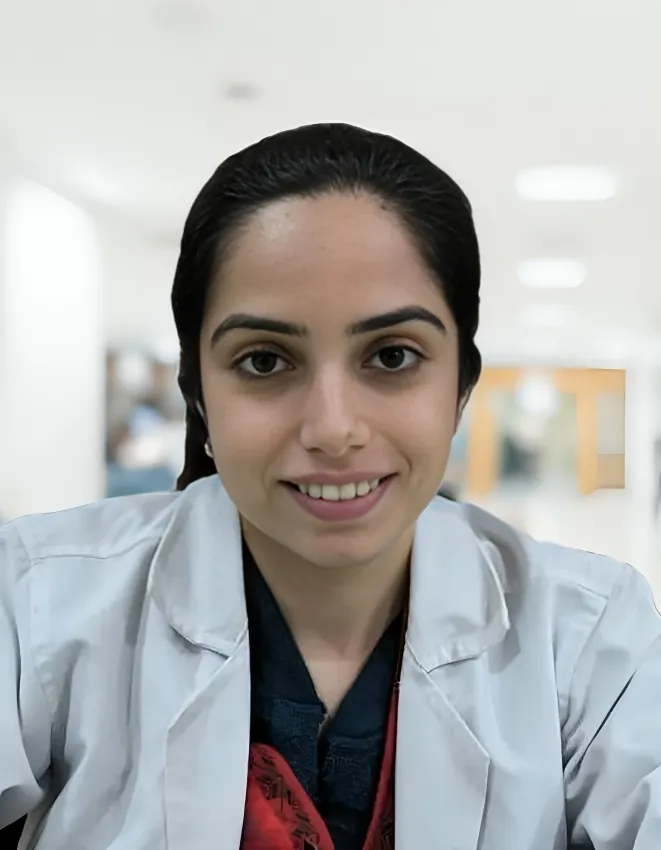
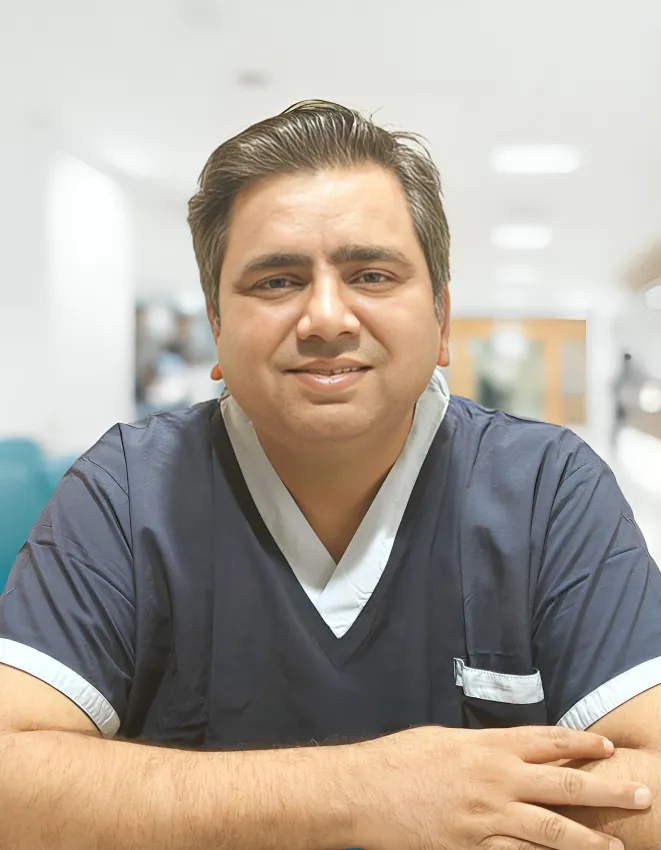
Our IVF experts
IVF success rates by age
Age is one of the strongest factors in IVF, but egg quality, your diagnosis and the treatment plan matter just as much. Our team goes through every report before advising you.
Discuss your caseThese are general guidance bands, not a promise for any individual. Your doctor explains your own chances after examining your reports.
What People Say About Us
“After so many attempts I got the result from here. I'm very thankful to all PRAVI staff, specially Dr. Monika Sachdeva. She is so supportive and cooperative with their patients. I'm suggesting to all who have fertility problems — come to PRAVI IVF Centre and you'll get the result for sure.”
“Thank you so much Dr. Monica maam & Dr. Rit Shukla sir & to all PRAVI staff. The genuine service ever! PRAVI Women & Child Health Care & PRAVI IVF Fertility Center is the genuine place for couples who need fertility treatment. Highly recommended!”
“PRAVI IVF is a very good IVF centre. My baby was born 3 years ago through IVF here and I have come back again for my second IVF cycle. My pregnancy is going very well. Dr. Monica mam, Dr. Rit sir and the entire PRAVI team are very good and expert.”
Patient video stories
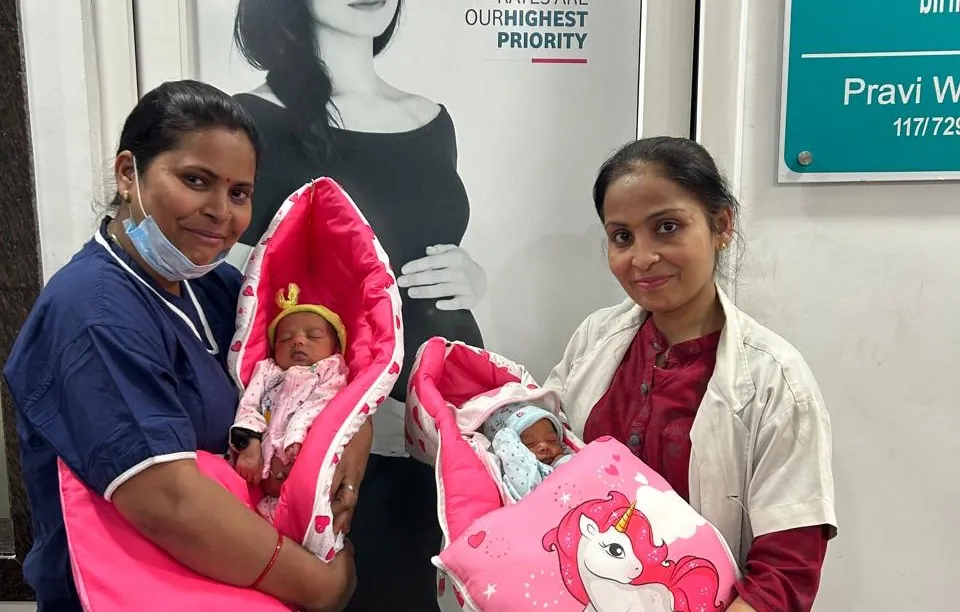
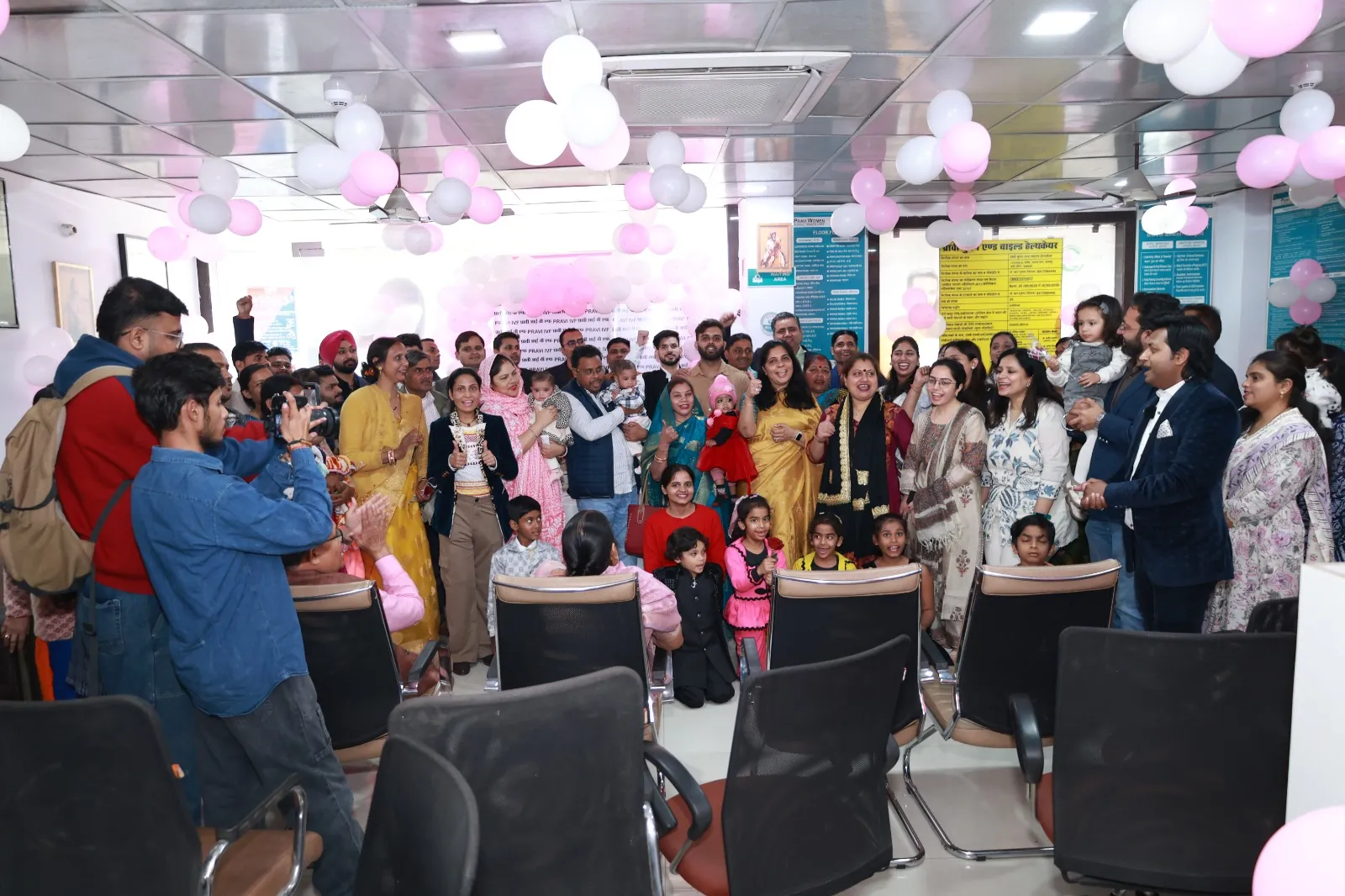
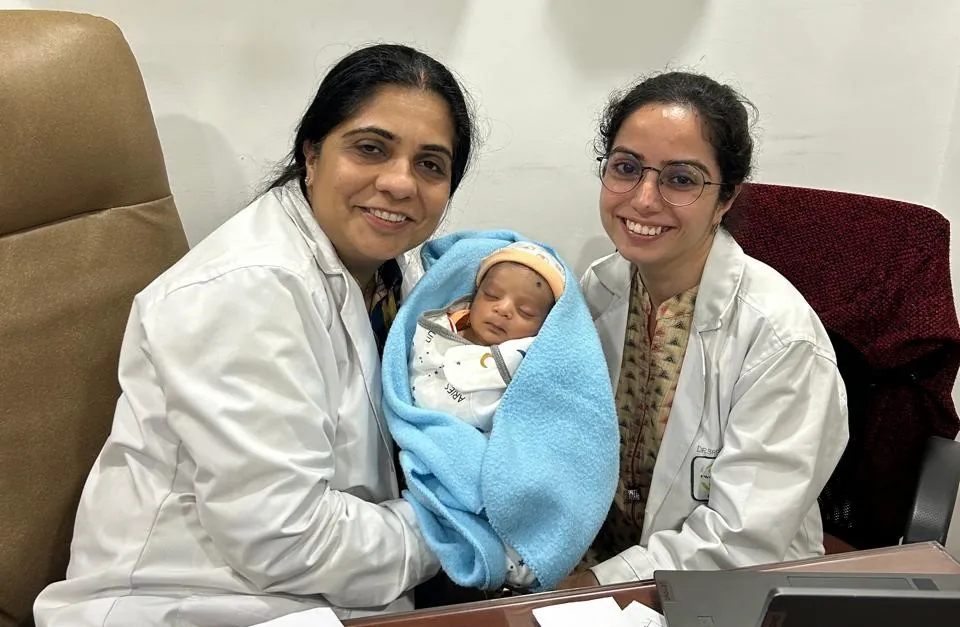
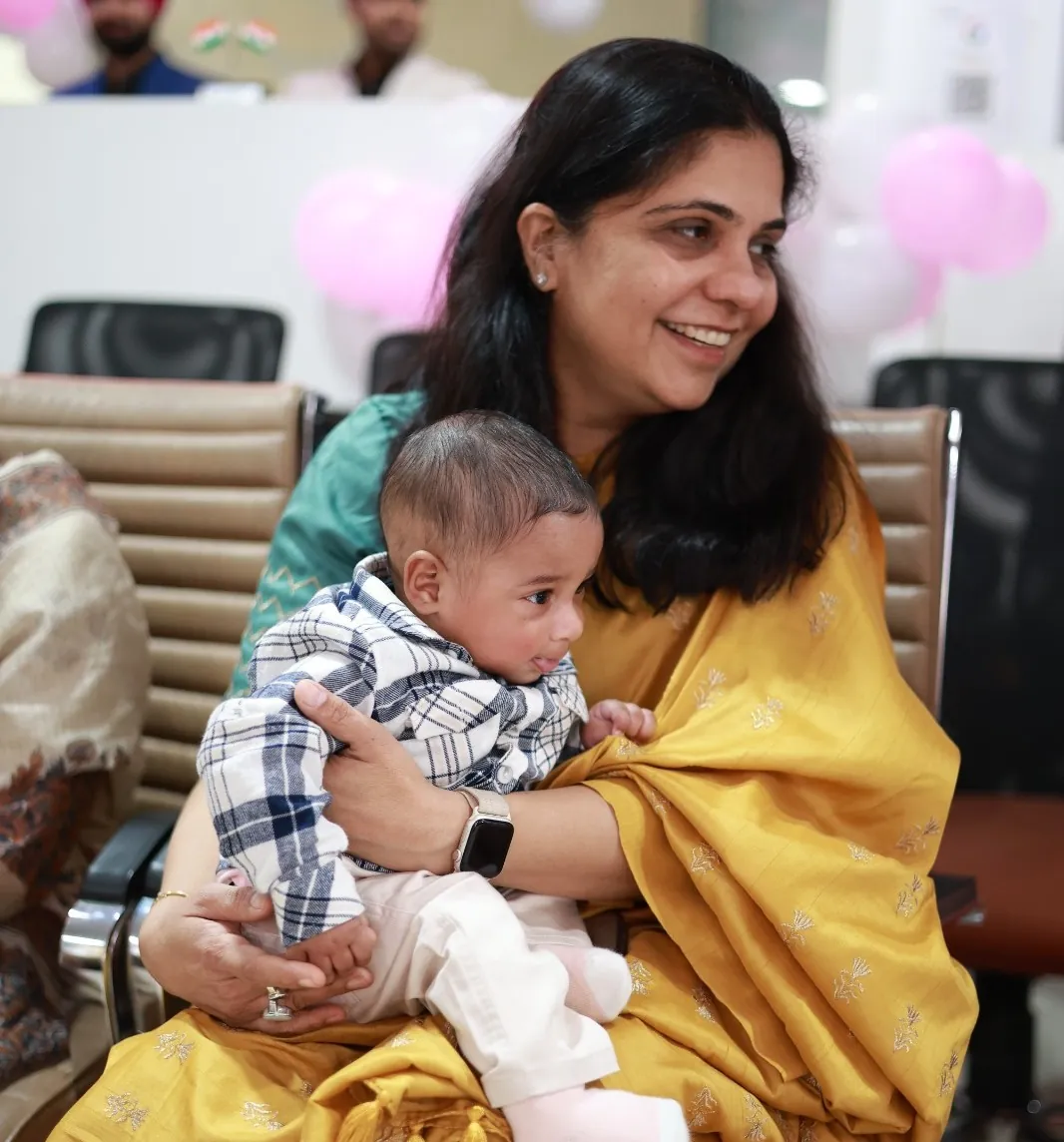
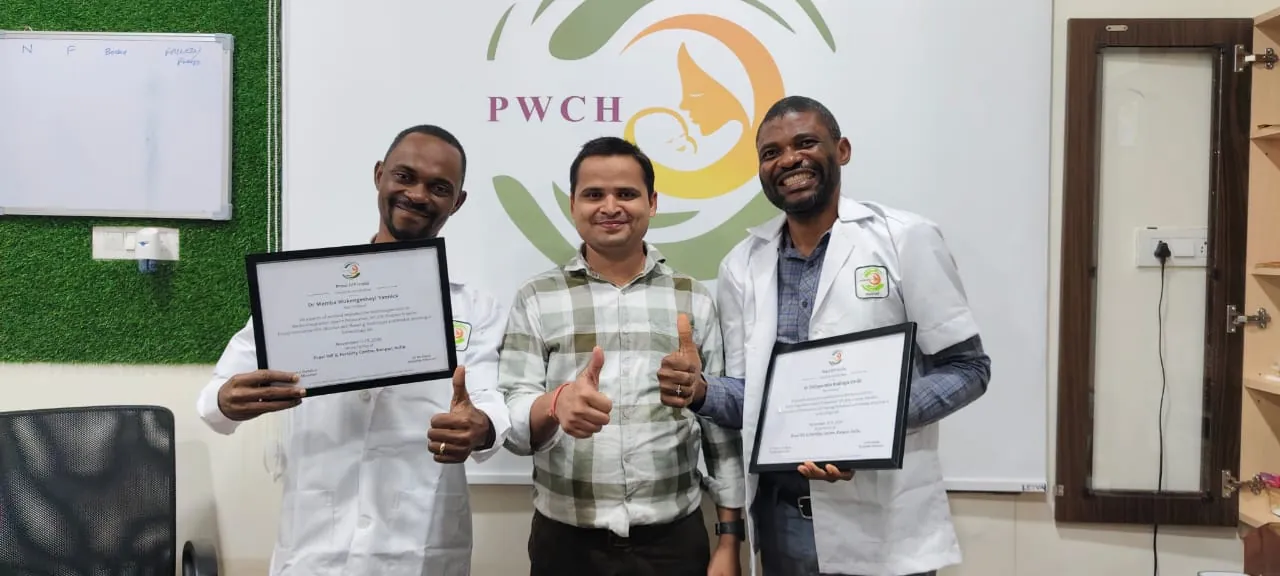
Clinic gallery
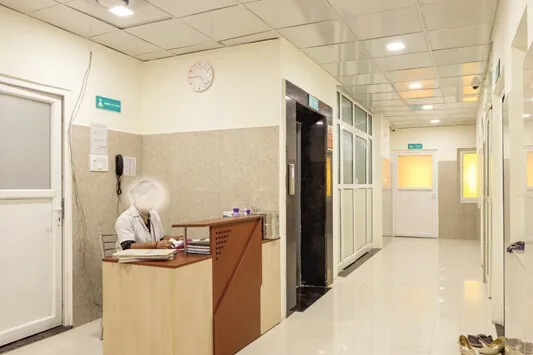

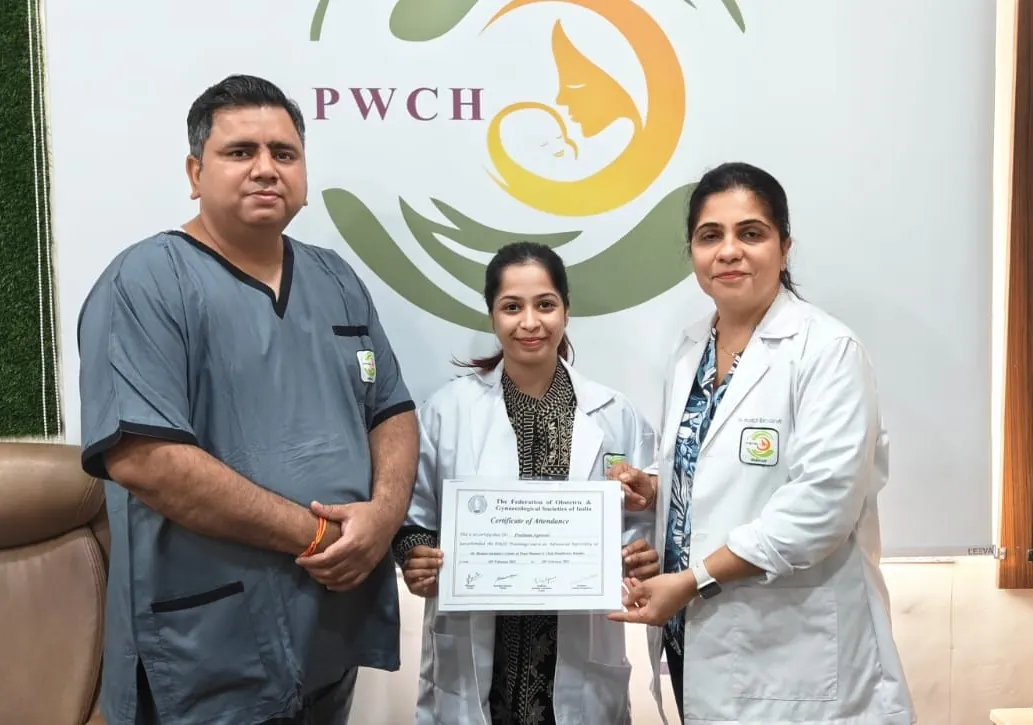
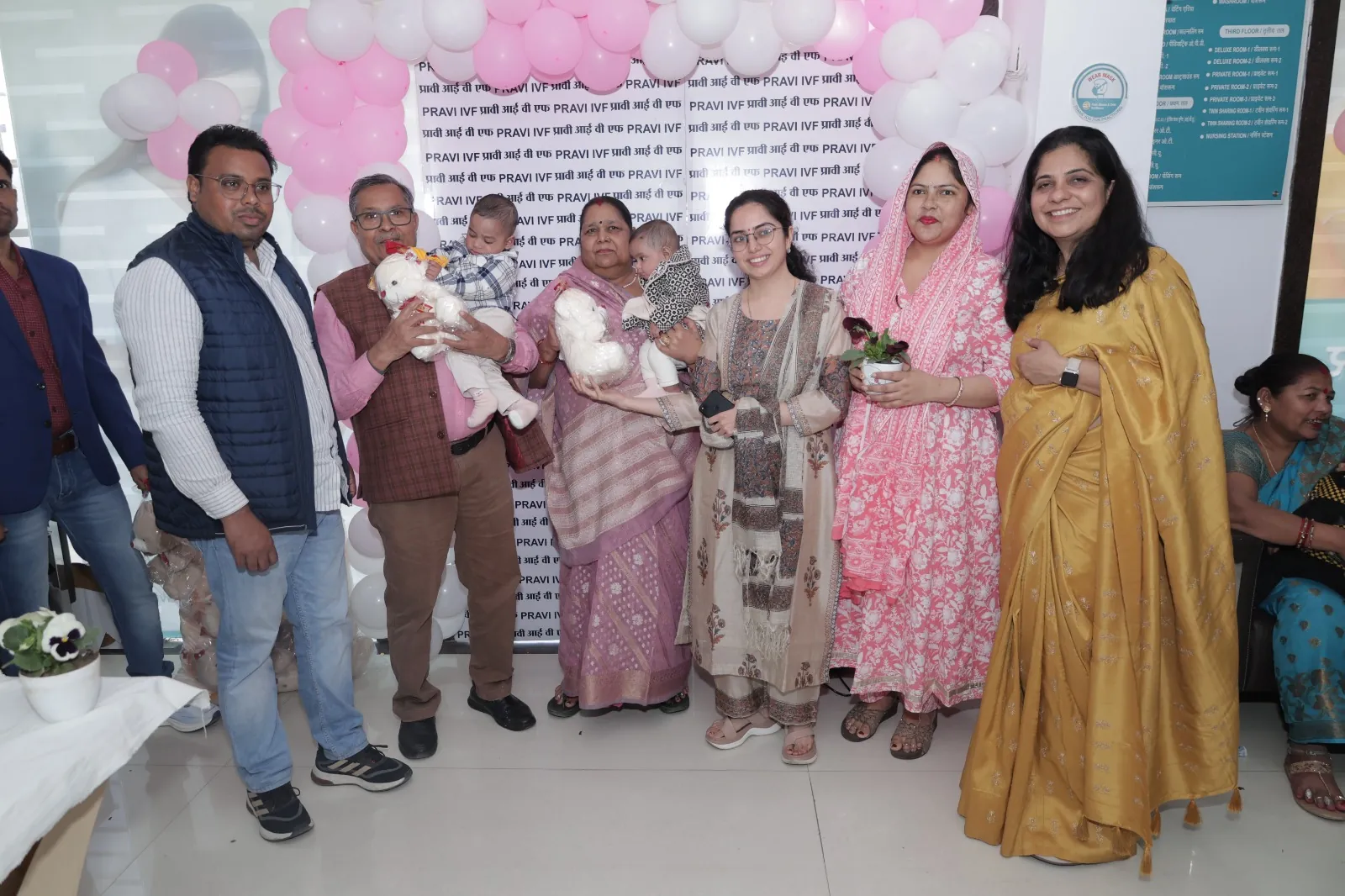

Why families choose PRAVI
Specialists, a Class 10,000 cleanroom lab and clear treatment costs — your whole fertility journey under one roof.
18+ years
Fertility care
Advanced lab
Class 10,000 cleanroom
ICMR compliant
Documented protocols
Clear costs
Explained before you begin
Latest from our blog
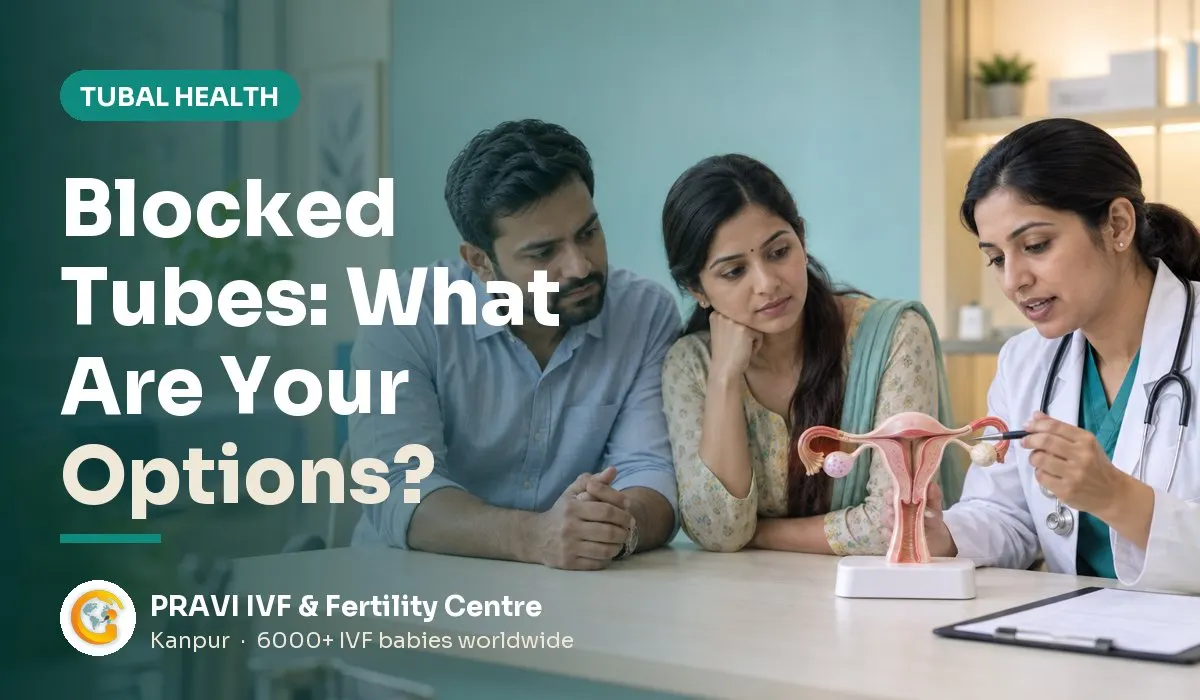
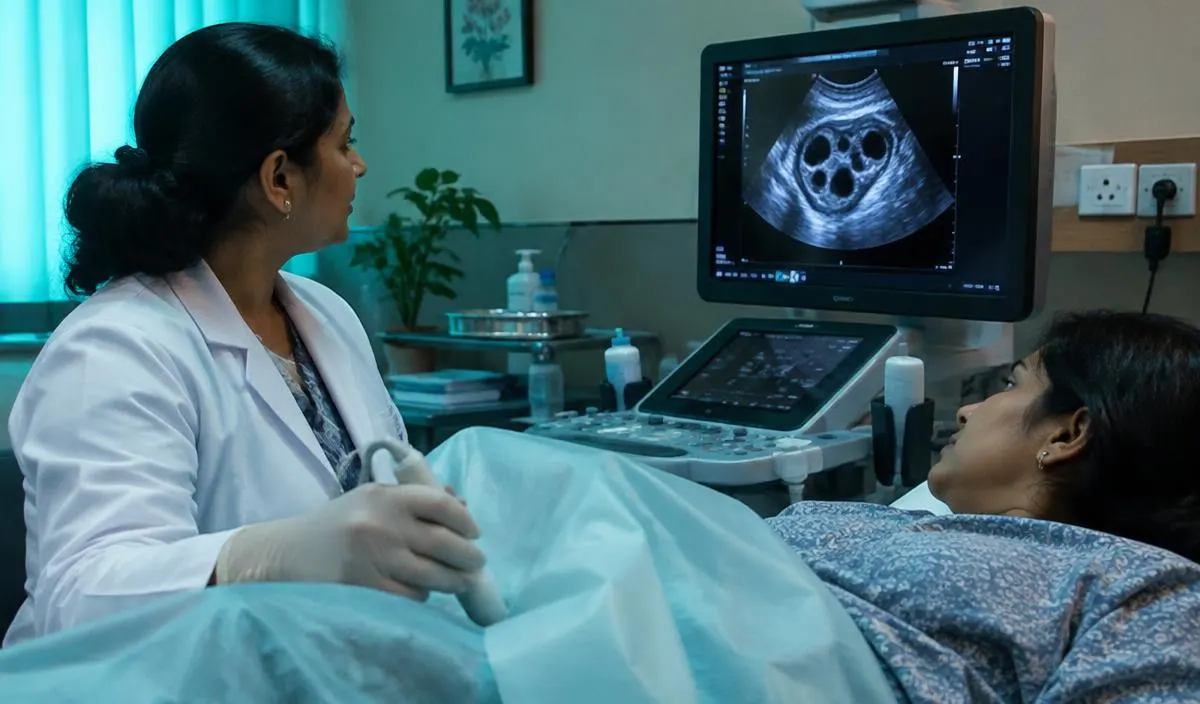

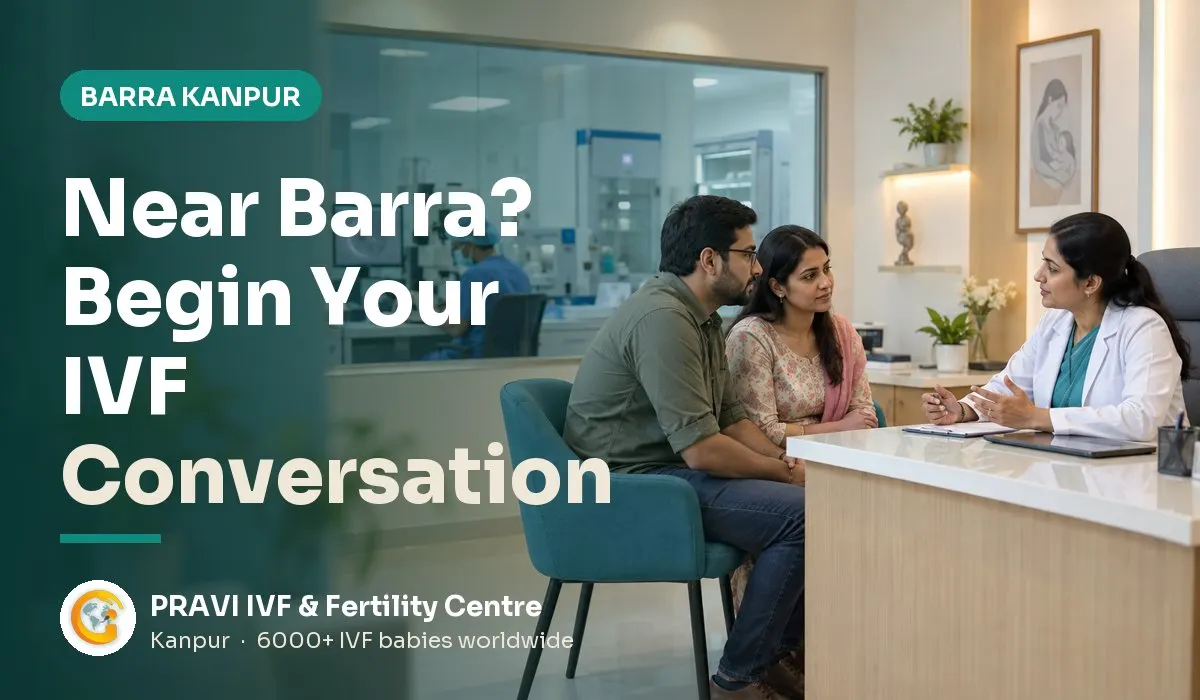
Begin Your Parenthood Journey with PRAVI IVF
- FREE first consultation
- 0% EMI options available
- FREE semen analysis
- Written cost estimate before you begin

Your parenthood journey starts here
What is the IVF Success Rate in Kanpur at PRAVI?
IVF success depends on factors such as age, ovarian reserve, sperm and egg quality, embryo quality, the cause of infertility and the treatment plan. At PRAVI IVF Kanpur, we maintain a high success rate by first understanding your fertility concerns and then choosing a treatment approach based on your medical reports — more than 6,000 families have welcomed a baby with our care.
Our team includes qualified IVF specialists with experience in treating different male and female fertility problems, supported by a senior embryologist and an ISO Class 10,000 cleanroom ART lab. The centre follows ICMR-compliant quality and regulatory requirements, so every step of your treatment is documented and explained to you.
Visit PRAVI IVF Fertility Centre in Kanpur
Open days
Monday to Saturday
Timings
9:00 AM to 7:00 PM
Address
PRAVI IVF & Fertility Centre, Swaroop Nagar & Shardha Nagar, Kanpur, Uttar Pradesh
Talk to our fertility team
Share your contact details and our team will call you to understand your next step.

Request a callback
Who Should Consider IVF Treatment in Kanpur?
IVF treatment in Kanpur may be considered when you have difficulty conceiving naturally or when other fertility treatments may not be suitable for you.
If you live in Kanpur or nearby areas such as Unnao, Akbarpur or Fatehpur, you can consult a fertility specialist in Kanpur at PRAVI IVF. Your doctor can first understand your fertility concerns and then explain which treatment options may be suitable for you.
You may consider consulting an IVF centre in Kanpur if you have:
- 1
Blocked or damaged fallopian tubes: IVF can help bypass the fallopian tubes and may be recommended when they are blocked or badly damaged.
- 2
Male infertility: Low sperm count, poor sperm movement or other sperm problems may require IVF along with ICSI.
- 3
Ovulation problems: If you have irregular or absent ovulation and other treatments have not helped, your doctor may discuss IVF.
- 4
Endometriosis: This condition can affect the ovaries, fallopian tubes and other reproductive organs. Your treatment may depend on how severe the condition is and how it affects your fertility.
- 5
Low ovarian reserve: A lower number of available eggs can make conception more difficult, especially as you get older. Your doctor may consider your ovarian reserve and age when planning treatment.
- 6
Unexplained infertility: IVF may be considered when fertility tests do not show a clear reason for difficulty conceiving.
- 7
Previous unsuccessful fertility treatment: If medicines, IUI or other fertility treatments have not resulted in pregnancy, your doctor may review what was tried earlier and discuss whether a different approach could help.

Ready to begin your IVF journey?
Schedule your fertility consultation with PRAVI IVF and get expert guidance from day one.
Book Free ConsultationFAQs About Genuine IVF Treatment Centre in Kanpur
An IVF cycle takes around 3 to 6 weeks in Kanpur, depending on your treatment plan and how your body responds to the medicines.
Areas We Serve Near By Kanpur
- IVF Centre in Unnao
- IVF Centre in Bada Chauraha
- IVF Centre in Kakadeo
- IVF Centre in Pandu Nagar
- IVF Centre in Naubasta
- IVF Centre in Mall Road
- IVF Centre in Hathipur
- IVF Centre in Fatehpur
- IVF Centre in Orai
- IVF Centre in Hamirpur
- IVF Centre in Auraiya
- IVF Centre in Akbarpur
- IVF Centre in Farrukhabad
- IVF Centre in Swaroop Nagar
- IVF Centre in Kalyanpur
PRAVI IVF Centres In India
IVF & Test Tube Baby Centre in Kanpur
PRAVI IVF & Fertility Centre is a dedicated IVF centre in Kanpur for couples who have been trying for a baby and want a clear plan instead of vague reassurance. Our fertility clinic in Kanpur works from two clinics — Swaroop Nagar and Shardha Nagar — so scans, injections and consultations fit around work and family timings instead of adding long travel every week. Nothing is advised before both partners are examined together: infertility is a couple's diagnosis, and half the answers usually lie in reports nobody thought to check.
As a test tube baby centre in Kanpur we handle the full range of IVF treatment in Kanpur — ovulation induction and IUI for simpler cases, IVF and ICSI for blocked tubes, male infertility or unexplained infertility, TESA and PESA when sperm is not found in the ejaculate, IMSI and laser-assisted hatching after repeated failure, PGS/PGD genetic screening for known hereditary risks, egg and embryo freezing for fertility preservation, and laparoscopy or hysteroscopy when the uterus or tubes need correcting. Every embryo is handled in an ISO Class 10,000 cleanroom embryology lab with continuous air-quality, temperature and identity checks — the part of IVF a patient never sees, but that decides a great deal of the outcome.
Families reach us from Unnao, Fatehpur, Kannauj, Etah, Hardoi, Farrukhabad, Kanpur Dehat, Mainpuri and other parts of Uttar Pradesh, and from Delhi NCR for our Lajpat Nagar centre. Being an IVF hospital in Kanpur where the same team follows you from the first scan to the pregnancy test means your reports, your medicines and your history stay in one place, and every step is explained in simple Hindi or English so you always know what happens next.
Families searching for the genuine IVF centre in Kanpur usually ask us the same three things: who will actually treat them, how the lab works, and what the whole plan will cost. You meet the same senior specialist through the cycle, you are welcome to see the embryology lab, and the IVF cost in Kanpur for your own case is written down before you begin — with 0% interest EMI options and no charges added halfway.
Fertility treatments we provide in Kanpur
- IVF Treatment in Kanpur
- ICSI Treatment in Kanpur
- IUI Treatment in Kanpur
- Female Infertility Treatment
- Male Infertility Treatment
- TESA & PESA Sperm Retrieval
- PGS / PGD Genetic Screening
- Egg & Embryo Freezing
- Laparoscopic Surgery in Kanpur
- Hysteroscopic Surgery in Kanpur
- Follicular Monitoring in Kanpur
- Hormonal & Fertility Testing
- Donor Programme Guidance
- Report Verification Service
Families we care for across Kanpur and nearby districts
- Swaroop Nagar
- Shardha Nagar
- Bithoor Road
- Naubasta
- Kalyanpur
- Kakadev
- Govind Nagar
- Bindaki
- Sarsaiya Mau
- Arayapur
- Panki
- Ratiya Nagar
- Unnao
- Fatehpur
- Kannauj
- Etah
- Auraiya
- Hardoi
- Farrukhabad
- Kanpur Dehat
- Mainpuri
- Sitapur
- Barabanki
- Lucknow
- Prayagraj
- Agra
- Jhansi
- Delhi NCR
Two Kanpur centres at Swaroop Nagar and Shardha Nagar, one centre of excellence at Lajpat Nagar, New Delhi · Open Monday–Saturday, 9:00 AM–7:00 PM.