0% interest EMI options · Clear treatment costs explained before you begin · Book consultation

TESA & PESA treatment at PRAVI IVF
Understanding surgical sperm retrieval when sperm are absent from the ejaculate

TESA & PESA in Kanpur

TESA and PESA are procedures used to look for sperm directly in the testicle or epididymis when sperm are not available in an ejaculated sample. They may form part of fertility treatment using ICSI, but the appropriate method depends on why sperm are absent. This guide explains the assessment, practical steps and uncertainties to discuss at PRAVI IVF in Kanpur before deciding whether surgical retrieval is suitable.

  • PESA samples the epididymis and is chiefly considered when a blockage prevents sperm entering the semen.
  • TESA samples the testicle; neither procedure guarantees that usable sperm will be found.
  • Retrieved sperm are generally used with ICSI, which does not guarantee implantation or live birth.

Who this is for

  • Men with confirmed azoospermia who need assessment of whether the cause is blockage or reduced sperm production.
  • Men with a suspected blockage following infection, surgery or vasectomy who are considering fertility treatment.
  • Men born with an absent or blocked sperm-carrying duct, after appropriate specialist and genetic assessment.
  • Couples considering ICSI with surgically retrieved sperm who want to understand coordinated treatment and backup options.
  • Men with a previous unsuccessful retrieval who need specialist review rather than an automatic repeat procedure.

Why patients choose PRAVI

High

IVF success rate

6,000+

Babies delivered

4.9/5

600+ patient reviews

18+

Years of fertility care

Mon – Sat · 9:00 AM – 7:00 PM

Step by step

How the TESA & PESA process works

01

Confirm the diagnosis

Semen testing, medical history, examination and selected hormone or genetic tests help establish whether azoospermia reflects an obstruction or impaired sperm production. This distinction guides whether aspiration is appropriate or specialist assessment is needed.

02

Agree on a retrieval plan

Discuss why PESA or TESA is being considered, the anaesthetic approach and what happens if no usable sperm are found. Confirm consent for any alternative procedure, freezing and coordination with the partner’s treatment.

03

Collect and assess the sample

During PESA, a needle samples fluid from the epididymis; during TESA, it samples tissue or fluid from the testicle. Laboratory assessment looks for sperm and determines whether retrieved material may be usable for ICSI.

04

Review recovery and next steps

Follow the treating team’s wound care and activity advice, and attend the agreed review. Discuss retrieval findings, any stored sperm, the ICSI plan and whether further specialist assessment is appropriate after an unsuccessful attempt.

What TESA and PESA actually involve

Azoospermia means that no sperm are identified in an ejaculated semen sample after appropriate laboratory assessment. It does not, by itself, establish whether the testicles are making sperm. In obstructive azoospermia, sperm production may continue but a blockage prevents sperm reaching the ejaculate. In nonobstructive azoospermia, sperm production is impaired and may be absent or limited to small areas. Distinguishing these causes is essential because the same retrieval technique is not appropriate for every man.

PESA stands for percutaneous epididymal sperm aspiration. A needle withdraws fluid from the epididymis, the coiled structure where sperm mature and are stored. TESA stands for testicular sperm aspiration and uses a needle to obtain material directly from the testicle. Neither procedure opens a blocked duct or restores sperm to the semen. Their purpose is to obtain sperm for assisted reproduction, usually ICSI, where an embryologist injects a selected sperm into an egg.

Who may benefit, and when aspiration may not suit

PESA is chiefly considered when there is an obstruction, such as after vasectomy, previous infection or surgery, or when sperm-carrying ducts are absent from birth. TESA may be considered in selected obstructive cases, including when epididymal aspiration is unsuitable or does not provide usable sperm. The choice depends on examination findings, the suspected site of blockage, previous procedures and the wider fertility plan. In some men, reconstructive surgery may also deserve discussion with a specialist rather than assuming retrieval with ICSI is the only option.

Nonobstructive azoospermia needs a different discussion. Needle aspiration can miss small areas of sperm production, and some men may need specialist assessment for microdissection testicular sperm extraction, called micro-TESE. This is a separate surgical technique; its availability at PRAVI should not be assumed. Certain genetic findings or other medical conditions can change whether retrieval is reasonable. If usable ejaculated sperm are available, surgery may be unnecessary. An earlier failed attempt should prompt review of its findings before another procedure is proposed.

Investigations before choosing TESA or PESA

Assessment usually begins by confirming azoospermia with repeat semen testing and appropriate examination of the sample. The clinician asks about puberty, previous pregnancies, undescended testes, genital infections, operations, injuries and medicines. Testosterone treatment and anabolic steroids are particularly important to disclose because they can suppress sperm production. Examination may assess testicular size, the epididymis and whether the sperm-carrying ducts can be felt. Hormone tests help interpret testicular function, while ultrasound or other imaging is reserved for relevant clinical questions.

Genetic tests may be advised depending on the suspected cause. Examples include chromosome testing or Y-chromosome microdeletion testing in selected nonobstructive cases, and CFTR-related assessment when the vas deferens is absent. Genetic counselling can explain implications for retrieval and for a future child; partner testing may also be relevant. No single hormone result can prove that sperm will be found. Evaluation of the partner’s fertility should proceed alongside this work, so the couple can weigh retrieval, ICSI and alternatives together.

What happens during aspiration and laboratory assessment

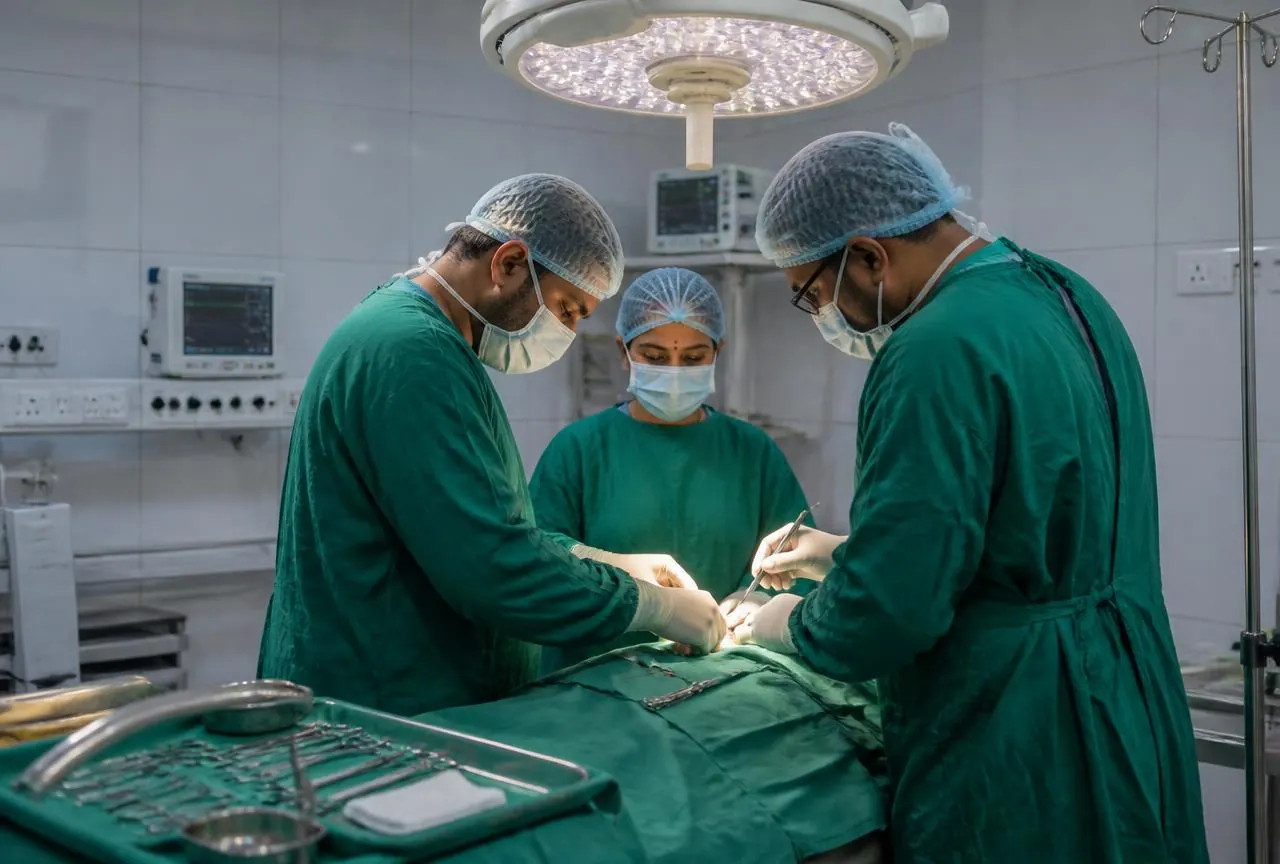
TESA and PESA are performed using sterile preparation and an agreed anaesthetic approach, which may involve local anaesthesia with or without sedation according to clinical need. For PESA, the clinician places a fine needle into the epididymis and gently aspirates fluid. For TESA, a needle enters the testicle to collect material containing sperm-producing tissue or fluid. More than one sampling site may be considered. The clinician should explain the intended scope beforehand rather than implying that aspiration is always simple or painless.

The collected material is examined in the laboratory for sperm. Assessment considers whether sperm are present and whether they can be used for ICSI; identifying suitable sperm can be more complex when numbers are limited or movement is absent. Further sampling or a different approach may be discussed if the initial material is unsuitable, subject to prior consent and clinical judgement. Ask when findings will be communicated and whether surplus suitable sperm can be stored. Exact procedure arrangements and laboratory pathways at PRAVI require confirmation at consultation.

Risks and the possibility of finding no sperm

Possible complications include pain, bruising, swelling, bleeding within the scrotum and infection. A collection of blood, called a haematoma, may need further assessment or treatment. Damage to local tissue or blood vessels is another consideration. Testicular procedures can affect testicular function, especially when more extensive sampling is needed, and hormone follow-up may be relevant in selected men. Anaesthesia or sedation has its own risks, which should be discussed in relation to the person’s health and the planned procedure.

Neither PESA nor TESA guarantees that sperm will be found, even when earlier investigations appear encouraging. Retrieved sperm may be too few or unsuitable for use or storage. An unsuccessful aspiration does not always establish that no sperm exist anywhere in the testicle, particularly in nonobstructive azoospermia. However, further surgery is not automatically appropriate. The next discussion should review the diagnosis, laboratory findings, genetic results and potential harms before considering specialist referral, another method or alternatives to treatment using the man’s own sperm.

  • Seek prompt advice for worsening pain, marked swelling, persistent bleeding, fever or wound discharge.
  • Ask how an unsuccessful retrieval would change the diagnosis and future options.

Recovery, stored sperm and what ICSI can achieve

Recovery advice depends on the sampling performed, anaesthesia and any complications. Mild soreness or bruising can occur, but worsening symptoms should not be dismissed as routine. Follow instructions about wound care, supportive underwear, washing, work, exercise and sexual activity. Use only medicines recommended by the treating clinician. Sedation may require restrictions on driving and other activities. Discharge timing is an individual clinical decision, and a review may be needed to check healing and discuss the retrieval report.

If suitable sperm are retrieved, they are generally used with ICSI because surgical samples often contain limited numbers of sperm. Freezing may avoid another retrieval, but some sperm may not remain usable after thawing, and storage does not assure future treatment. ICSI assists fertilisation; it does not correct every sperm or egg problem and is not routinely better for all couples. Fertilisation does not guarantee embryo development, implantation or live birth. Results also depend on egg factors, embryo development, uterine conditions and other aspects of the couple’s health.

Questions to bring to a PRAVI IVF consultation

At a consultation at PRAVI IVF in Kanpur, bring semen reports, hormone and genetic results, previous operation notes and any earlier sperm retrieval or embryology reports. A medication list is also useful. Ask whether the findings suggest obstruction or reduced production, why the proposed procedure fits that diagnosis, and whether assessment by a male fertility specialist is needed. If micro-TESE or reconstructive surgery enters the discussion, clarify the referral pathway rather than assuming that either procedure is available at the centre.

Confirm the actual availability of TESA or PESA, who would perform the procedure, the anaesthetic arrangements and how laboratory findings would be shared. Ask how your identity and samples are checked and traced through collection, ICSI and storage; these safeguards are not genetic testing or proof of embryo health. Discuss storage consent, follow-up and the agreed response to finding no sperm. The aim is a coordinated decision that considers both partners’ treatment burdens, acknowledges uncertainty and leaves room to pause or seek another opinion.

Frequently asked questions

This information does not replace an individual medical assessment. Treatment suitability, available services and any legal requirements must be confirmed with the clinic before you begin.

Other services