0% interest EMI options · Clear treatment costs explained before you begin · Book consultation

ICSI treatment at PRAVI IVF
Understanding when direct sperm injection may help fertilisation

ICSI in Kanpur

ICSI, or intracytoplasmic sperm injection, is a laboratory technique used within IVF to help sperm fertilise an egg. An embryologist injects a single sperm into a mature egg, rather than placing eggs and sperm together for conventional IVF. It may be considered for certain sperm problems or previous fertilisation failure. At PRAVI IVF in Kanpur, consultation can help clarify whether there is a specific reason to consider ICSI in your situation.

  • ICSI is a fertilisation technique within IVF, not a separate method of embryo transfer.
  • Selecting a sperm for injection does not establish that it is genetically normal.
  • Fertilisation after ICSI does not guarantee implantation, an ongoing pregnancy or live birth.

Who this is for

  • Couples with a very low sperm count or markedly reduced sperm movement.
  • People whose previous conventional IVF cycle resulted in failed or unexpectedly low fertilisation.
  • Patients using surgically retrieved sperm, following assessment of the underlying sperm problem.
  • People using previously frozen eggs, for whom ICSI is commonly used after warming.
  • Selected patients with other laboratory or clinical indications that need individual explanation.

Why patients choose PRAVI

High

IVF success rate

6,000+

Babies delivered

4.9/5

600+ patient reviews

18+

Years of fertility care

Mon – Sat · 9:00 AM – 7:00 PM

Step by step

How the ICSI process works

01

Review the reason for ICSI

The fertility team reviews semen findings, medical history and any previous IVF laboratory records. Assessment of both partners helps establish whether ICSI addresses a likely fertilisation problem or whether conventional IVF remains a reasonable option.

02

Prepare eggs and sperm

Ovarian stimulation and monitoring usually precede egg collection under sedation or anaesthesia. Sperm is collected or retrieved according to an agreed plan, with preparation instructions and any backup arrangements discussed before the collection day.

03

Inject mature eggs

The embryologist identifies mature eggs and selects individual sperm suitable for injection. Using specialised equipment, a sperm is placed inside each selected egg; some eggs may be immature, damaged during injection or unable to fertilise.

04

Check fertilisation and embryo development

The laboratory checks for signs of fertilisation and observes developing embryos over the following days. The team discusses whether transfer, freezing or further review is appropriate, recognising that not every fertilised egg becomes a usable embryo.

05

Plan transfer and follow-up

If a suitable embryo is available, transfer may occur in the same cycle or after freezing. Follow-up includes a pregnancy test at the advised time and a review of outcomes, including unsuccessful fertilisation or development.

What ICSI changes within an IVF cycle

In conventional IVF, prepared sperm and eggs are placed together so that a sperm can enter an egg without direct injection. With ICSI, an embryologist uses a fine needle to place a single sperm inside a mature egg. This bypasses some of the steps that sperm would otherwise need to complete, including movement towards the egg and penetration of its outer coverings. The ovarian stimulation, egg collection and embryo transfer aspects are otherwise broadly similar to IVF.

ICSI helps address a fertilisation barrier; it does not treat every cause of infertility. The injected sperm must still activate the egg, and the resulting embryo must develop before transfer can be considered. Egg health, sperm factors, embryo development and uterine conditions all remain relevant. A sperm that appears suitable under the microscope is not necessarily genetically normal. Even when fertilisation occurs, ICSI cannot guarantee implantation, continuation of a pregnancy or the birth of a baby.

When ICSI may be useful—and when it may not

ICSI may be recommended when there are very few sperm, substantially reduced sperm movement or certain combinations of abnormal semen findings. It is often used with surgically retrieved sperm because the available sperm may be limited or less able to fertilise an egg through conventional IVF. Previous failed or unexpectedly low fertilisation can also be a reason to consider it, but the earlier cycle should be reviewed rather than assuming sperm was the only cause.

Previously frozen eggs are commonly fertilised using ICSI after warming. Other indications require an individual explanation. ICSI is not routinely better than conventional IVF for everyone, including people without a clear sperm-related problem. Unexplained infertility, older reproductive age or a small expected egg yield do not automatically establish that injection will improve the chance of a baby. Where both techniques are reasonable, ask what specific concern ICSI is intended to address and what evidence supports that recommendation.

Checking sperm, ovarian response and previous results

Assessment usually includes a medical and reproductive history for both partners, semen analysis and a review of any previous treatment. A semen result can vary with illness, collection difficulties and other factors, so repeat testing may be appropriate. Very low sperm counts or absent sperm may warrant specialist male fertility assessment. Depending on the findings, hormonal or genetic investigations and genetic counselling may be discussed; these are not automatically required for every person considering ICSI.

For the partner providing eggs, ultrasound and ovarian reserve assessment help guide expectations about stimulation and likely egg yield. AMH can help predict egg quantity and response to medication, but it does not measure egg quality or determine whether natural pregnancy is possible. Test timing differs, and the clinic should explain when each investigation is needed. Previous embryology records can be particularly valuable: egg maturity, fertilisation findings and embryo development may reveal different concerns that need separate discussion.

Preparing for egg collection and the sperm sample

Before stimulation begins, discuss medicines, supplements, allergies, previous anaesthetic problems and relevant infections with the treating team. Do not stop prescribed medication without advice. Ovarian stimulation requires injections and monitoring, with the schedule adjusted to the individual response. Instructions for the final maturation injection and egg collection need careful attention. Ask whom to contact if a dose is missed or symptoms develop, and arrange transport and support after sedation or anaesthesia.

Sperm collection should be planned before egg retrieval, not left as an assumption for the day. Follow the laboratory's instructions on abstinence, collection method and sample delivery, and report any difficulty producing a sample early. A frozen backup may sometimes be discussed, although suitability depends on the circumstances. If surgical retrieval is being considered, it requires its own assessment and consent, and no sperm may be found. Nonobstructive absence of sperm may require specialist micro-TESE assessment rather than a simple retrieval approach.

  • Ask for written medication, fasting and sample collection instructions.
  • Clarify the contingency plan if sperm is unavailable or no mature eggs are collected.
  • Discuss consent for fertilisation, embryo storage and future use before treatment.

What happens during injection and embryo culture

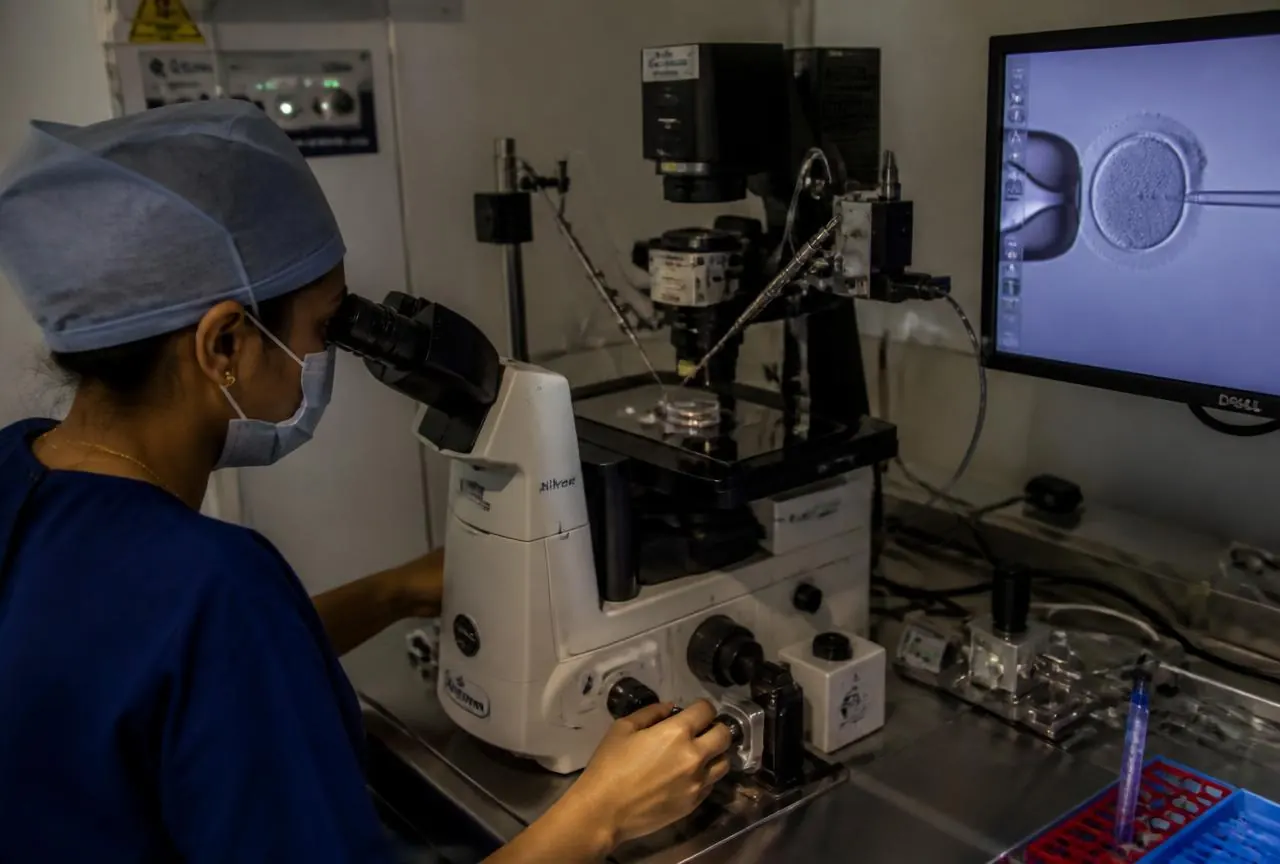
After egg collection, the laboratory identifies the eggs and removes surrounding cells to assess maturity. Only eggs at the appropriate mature stage are generally suitable for ICSI. The sperm sample is prepared, and an embryologist selects sperm based on features that can be assessed in the laboratory, including movement and appearance where possible. Each selected egg is held in position while a sperm is injected. Not every collected egg will be mature or suitable for this procedure.

The laboratory subsequently checks for evidence of normal fertilisation and observes embryo development. Some eggs do not fertilise, some show abnormal fertilisation, and some embryos stop developing. These outcomes can occur despite technically appropriate treatment. Embryo appearance helps inform selection but cannot prove chromosome normality or future implantation. The team should explain how and when updates are provided, what findings mean, and why transfer or freezing may not be possible. Ask PRAVI to confirm its actual communication and laboratory consent pathway.

Understanding the risks and limits of ICSI

ICSI involves handling and penetrating the egg, which can occasionally damage it. Fertilisation may still fail even when sperm has been successfully injected. The surrounding IVF treatment also carries risks, including ovarian hyperstimulation, discomfort from enlarged ovaries, and uncommon bleeding, infection or injury associated with egg collection. Sedation or anaesthesia has additional risks that should be explained beforehand. Multiple pregnancy is principally influenced by embryo transfer decisions, rather than by injection itself.

Some causes of severe male infertility have a genetic basis and may be passed to a child. Appropriate testing or counselling can help clarify this possibility, but ICSI itself neither screens sperm genetically nor removes inherited risks. Discussions about child health should distinguish the technique from the effects of underlying infertility and other parental factors. If genetic testing of embryos is proposed, it requires a separate indication and consent discussion; it is not an automatic part of ICSI or proven to benefit everyone.

  • Ask which risks arise from egg collection, ICSI and embryo transfer separately.
  • Request an explanation of any recommended genetic investigation.
  • Discuss how embryo transfer decisions can limit multiple-pregnancy risk.

Recovery, embryo transfer and interpreting results

ICSI happens in the laboratory, so physical recovery is mainly from ovarian stimulation and egg collection. Mild cramping, bloating or light spotting can occur, but worsening symptoms should not be dismissed. Severe abdominal pain, increasing swelling, persistent vomiting, reduced urination, fever, heavy bleeding or breathlessness require prompt medical assessment. Follow the team's advice about activity, intercourse and medication, and ensure you understand the contact arrangements for concerns after leaving the clinic.

Embryo transfer may be planned in the same cycle or deferred while suitable embryos are frozen, depending on recovery, the uterine lining and other clinical factors. Freezing and warming can lead to loss of some embryos and do not promise a future pregnancy. After transfer, test on the advised date rather than interpreting symptoms as proof of implantation. A positive test requires follow-up. If treatment does not progress, review egg maturity, fertilisation and embryo development before deciding whether another approach is justified.

Questions to bring to an ICSI consultation at PRAVI

At a PRAVI IVF consultation in Kanpur, bring semen reports, relevant scans, medication details and records from earlier fertility cycles. Ask for a clear explanation of why ICSI is being considered in your case and whether conventional IVF is a reasonable alternative. The discussion should separate the chance of obtaining mature eggs, achieving fertilisation, developing embryos and establishing a pregnancy. These are distinct stages, and progress at one stage does not ensure the next.

Confirm the exact PRAVI availability, treatment pathway and consent requirements before proceeding. Useful questions include how a difficult sperm collection would be handled, when laboratory updates are given, and what happens if no eggs fertilise. Ask how identity checks and sample traceability are performed without assuming a particular witnessing technology. Also clarify transfer and storage decisions, follow-up arrangements and access to counselling. You should have time to understand the proposed approach and its limitations before deciding whether to start treatment.

Frequently asked questions

This information does not replace an individual medical assessment. Treatment suitability, available services and any legal requirements must be confirmed with the clinic before you begin.

Other services