0% interest EMI options · Clear treatment costs explained before you begin · Book consultation

Female infertility treatment at PRAVI IVF
Understanding the causes of difficulty conceiving and the choices that may help.

Female infertility in Kanpur

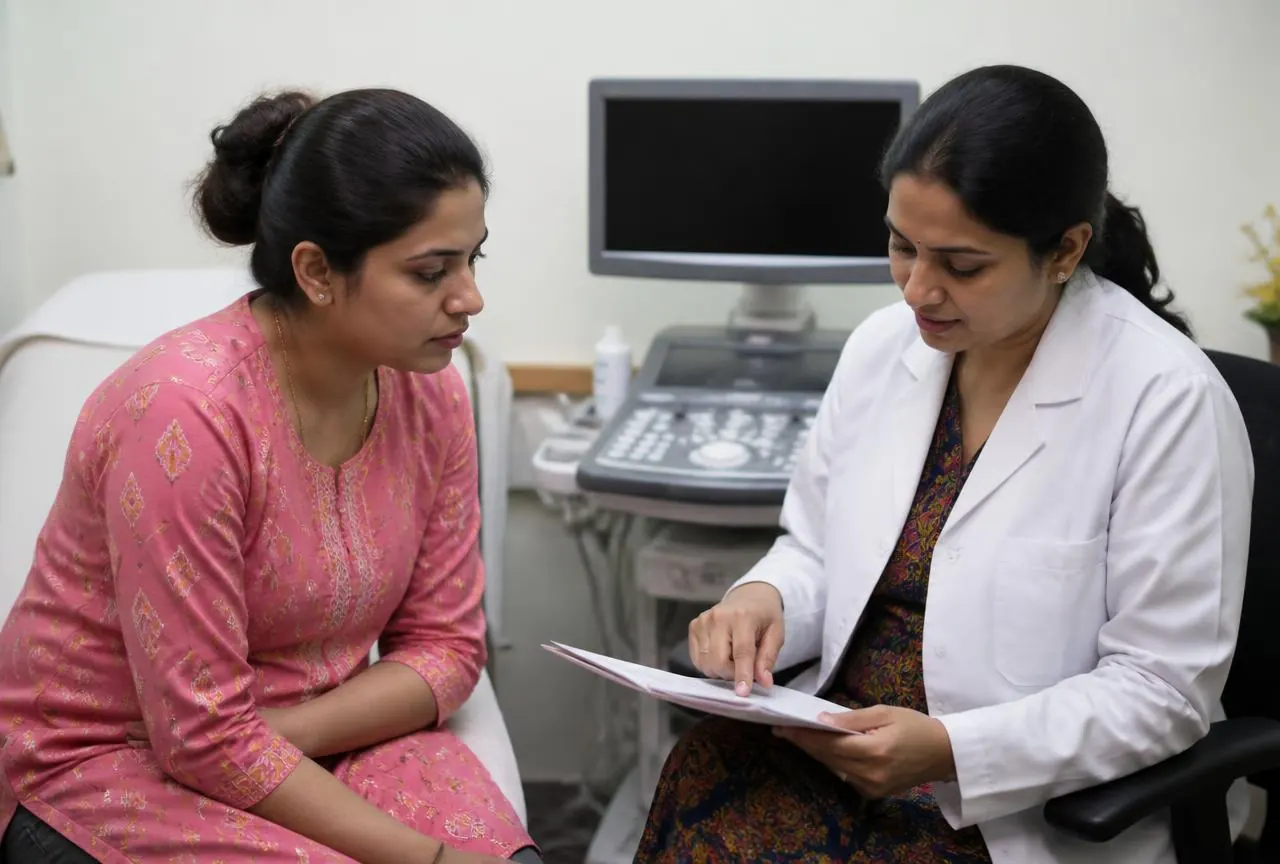
Female infertility can involve ovulation, the fallopian tubes, the uterus or several factors together. Sometimes, routine tests do not identify a clear cause. Assessment should consider both partners rather than place responsibility on one person. At a consultation with PRAVI IVF in Kanpur, you can discuss your menstrual history, previous pregnancies and test results, and ask which investigations or treatments are appropriate before deciding how to proceed.

  • Female fertility assessment is interpreted alongside relevant partner factors.
  • AMH helps estimate ovarian response, but does not measure egg quality or predict natural pregnancy with certainty.
  • Treatment depends on the findings; not everyone needs surgery, IUI or IVF.

Who this is for

  • People who have not conceived despite regular unprotected intercourse and want to understand when assessment is appropriate.
  • Those with absent, irregular or unusually painful periods, or a known ovulation condition such as PCOS.
  • People with suspected endometriosis, previous pelvic infection, tubal damage or surgery involving the reproductive organs.
  • Those with concerns about age-related fertility changes or ovarian reserve, including before treatment that may affect fertility.
  • People with an existing infertility diagnosis who want to review findings and discuss suitable next steps.

Why patients choose PRAVI

High

IVF success rate

6,000+

Babies delivered

4.9/5

600+ patient reviews

18+

Years of fertility care

Mon – Sat · 9:00 AM – 7:00 PM

Step by step

How the Female infertility process works

01

Review your history together

The consultation explores menstrual cycles, time spent trying, previous pregnancies, pelvic symptoms, medical conditions and medicines. Where relevant, a partner’s reproductive history and semen assessment are considered alongside your evaluation, rather than after it.

02

Choose targeted investigations

Depending on your history, testing may assess ovulation, ovarian reserve, pelvic anatomy and whether the tubes are open. The clinician explains timing, discomfort and limitations, avoiding investigations that are unlikely to change your care.

03

Connect findings to treatment choices

Results are reviewed together to distinguish a likely cause from an incidental finding. Discussion may include ovulation treatment, selected surgery, insemination or IVF, with attention to your preferences, other fertility factors and medical safety.

04

Prepare and give informed consent

Before treatment, review medicines, relevant health conditions and any required screening. Ask about monitoring, side effects, cancellation criteria and alternatives. The exact pathway, availability and consent requirements at PRAVI are confirmed during consultation.

05

Review response and next steps

Follow-up depends on the treatment chosen and may include scans, blood tests or pregnancy testing. If conception does not occur, review what was learned before repeating treatment, changing the approach or taking a break.

What female infertility means

Female infertility describes difficulty achieving pregnancy when factors involving the female reproductive system contribute. Pregnancy depends on ovulation, sperm reaching an egg, fertilisation, embryo development and implantation in the uterus. A problem at any of these stages can affect conception. The term does not mean pregnancy is impossible, but it also does not identify a single disease or treatment. Previous pregnancy does not rule out a new fertility problem, sometimes called secondary infertility.

Assessment is commonly considered after a year of regular unprotected intercourse, with earlier advice appropriate as age increases or when there are known concerns. Absent periods, significant pelvic pain, previous pelvic infection, cancer treatment or suspected partner factors are reasons not to delay seeking guidance. Repeated pregnancy loss needs a related but distinct evaluation. Fertility difficulties are not anyone’s fault, and testing both partners where relevant helps avoid unnecessary treatment or an incomplete explanation.

Ovulation, tubes and other possible causes

Ovulation disorders can make egg release infrequent or absent. PCOS is one possible cause, but thyroid disease, raised prolactin, major changes in weight, inadequate energy intake and other hormonal conditions may also interfere with cycles. Reduced ovarian function can affect the number of eggs available and the time available for treatment. Age-related changes also influence egg quality, which cannot be measured directly by a routine hormone test. Having regular periods makes ovulation more likely, without proving that every aspect of fertility is normal.

Blocked or damaged fallopian tubes may prevent sperm and egg from meeting. Endometriosis can affect fertility through inflammation, adhesions or changes involving the ovaries and tubes. Some uterine polyps, fibroids or adhesions may matter, depending on their location and extent; many findings do not require treatment. Sometimes standard investigations show no clear cause, termed unexplained infertility. This does not mean symptoms are imagined or that an unproven test will necessarily provide the answer.

Which fertility tests might be useful?

Evaluation begins with your cycle pattern, symptoms, pregnancy history and any previous infection or surgery. A pelvic ultrasound can assess the uterus and ovaries, including fibroids, cysts and the small follicles used in an antral follicle count. Blood tests are chosen according to the question being asked. Progesterone testing, when needed, is timed in relation to expected ovulation rather than a fixed cycle day for everyone. Thyroid or prolactin tests may be appropriate when the history suggests a possible problem.

AMH and antral follicle count help estimate egg quantity and likely response to ovarian stimulation. They do not measure egg quality or provide certainty about natural pregnancy. Tests such as HSG or ultrasound-based tubal assessment may check whether the tubes appear open, but cannot fully assess how they function. Pregnancy must be excluded before relevant procedures. Ask what each result could change, whether testing needs specific timing and whether an existing report is sufficient.

  • Ask which tests address your symptoms and which would change treatment.
  • Discuss cycle timing, possible discomfort and the limitations of each result.

Matching treatment to the findings

Treatment is selected around the likely cause, age, duration of infertility, tubal status, semen findings and your preferences. If ovulation is irregular, addressing an underlying hormonal or nutritional problem may help. Medicines to induce ovulation may be considered, with monitoring tailored to the medicine and risk. They are not suitable as an automatic treatment for everyone with infertility. When ovulation already occurs regularly, simply stimulating more eggs may add risks without addressing a blocked tube or another important cause.

Intrauterine insemination places prepared sperm into the uterus around ovulation and requires suitable circumstances, including an adequately functioning open tube. IVF may be considered for significant tubal disease, some combined fertility problems or after other approaches have not helped. Selected uterine or pelvic conditions may warrant surgery. Conversely, observation or a period of trying without treatment may be reasonable for some people. Ask why an option is being recommended now and what alternatives remain if it does not work.

When IVF or surgery enters the discussion

IVF generally involves ovarian stimulation, ultrasound monitoring, egg collection, laboratory fertilisation and transfer of an embryo into the uterus. Some embryos may be frozen for a later transfer if suitable. Not every follicle yields an egg, not every egg fertilises, and not every embryo continues developing. Fertilisation with IVF or ICSI does not guarantee implantation or live birth. ICSI involves injecting a sperm into an egg and may be appropriate for particular indications, especially certain sperm problems; it is not routinely better for everyone.

Hysteroscopy examines the uterine cavity and may be used to assess or treat selected abnormalities. Laparoscopy examines the pelvis and may be considered for specific symptoms or suspected disease, rather than routinely for all infertility. Surgery for ovarian endometriosis and ovarian drilling can affect ovarian reserve, so the potential benefit must be weighed carefully. Ask whether surgery would change the treatment plan, whether a less invasive alternative exists and how recovery might affect the timing of further care.

Risks and limits worth discussing

Fertility medicines can cause side effects and may lead to more than one follicle developing. This can increase the chance of multiple pregnancy, which carries additional risks for the pregnant person and babies. Ovarian stimulation can also cause ovarian hyperstimulation syndrome, requiring careful prevention and monitoring. Depending on the response, a clinician may recommend changing or cancelling a cycle. Egg collection and surgery have risks such as bleeding, infection, injury to nearby structures and complications related to sedation or anaesthesia.

No test or treatment can promise pregnancy, and a result described as normal does not exclude every fertility problem. Treatment may produce no usable eggs or embryos, or pregnancy may end in miscarriage or occur outside the uterus. If eggs or embryos are frozen, some may not survive warming; future pregnancy and unchanged quality cannot be promised. Emotional strain is also important. Discuss manageable treatment boundaries, access to counselling and circumstances in which pausing or reconsidering care would be sensible.

Preparing for care and knowing when to seek help

Bring previous scans, laboratory reports, operation notes and a list of medicines and supplements. Record period dates and relevant symptoms if possible, but do not delay consultation to create a perfect record. Review long-term conditions, vaccination needs and preconception nutrition with your clinician, including folic acid advice. Avoid tobacco and recreational drugs, and discuss alcohol use. Sustainable nutrition, movement and sleep support general health; they should not be presented as a cure or a reason to blame yourself for infertility.

Monitoring and recovery vary considerably between tablets, injections, insemination, egg collection and surgery. Before starting, ask about activity restrictions, work, intercourse, pregnancy-test timing and whom to contact if symptoms develop. Severe abdominal pain, marked swelling, breathlessness, fainting, heavy bleeding or fever need prompt medical assessment. A positive pregnancy test may need follow-up blood tests or ultrasound to confirm the pregnancy’s location and development. If a cycle is unsuccessful, review the response and findings before deciding whether to repeat or change treatment.

  • Confirm written medicine instructions and the planned monitoring schedule.
  • Ask how to obtain urgent assessment and when your next review should occur.

Discussing female infertility at PRAVI IVF in Kanpur

A consultation should help you understand what is known, what remains uncertain and which next step has a clear purpose. PRAVI IVF has centres in Kanpur and New Delhi; Dr. Monica Sachdeva is Medical Director and senior IVF specialist. Bring your own priorities to the discussion, including whether you want an initial assessment, a review of previous treatment or advice about a specific diagnosis. Ask which services are available for your situation and how any additional specialist assessment would be arranged.

The exact PRAVI pathway, procedure availability and consent requirements should be confirmed at consultation rather than assumed from a general treatment description. Useful questions include whether both partners have been adequately assessed, which finding is most likely to matter and what evidence supports the proposed treatment. Ask how response will be reviewed, what would prompt a change of plan and whether waiting carries a particular concern in your circumstances. You should have space to consider alternatives and make an informed decision without being promised an outcome.

Frequently asked questions

This information does not replace an individual medical assessment. Treatment suitability, available services and any legal requirements must be confirmed with the clinic before you begin.

Other services