
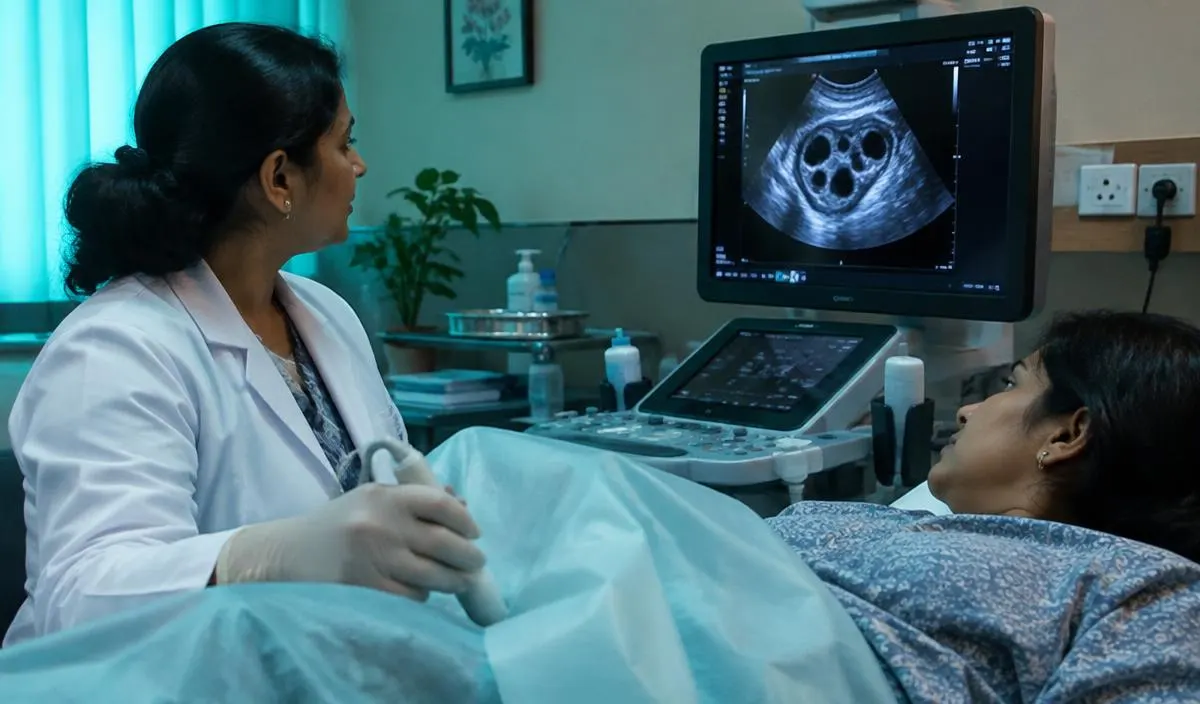
Exercise During IVF: Safe Routines for Patients
Gentle movement is often possible during IVF, but your routine should change as treatment progresses. Learn what to choose, what to avoid, and when to check with your fertility team.
Exercise during IVF is often possible, but gentle, low-impact movement is usually the safest choice once ovarian stimulation begins. Walking and comfortable everyday activities may be suitable, while running, jumping, heavy lifting and twisting workouts are genuine avoided when the ovaries are enlarged. Always follow your fertility team’s advice, because your symptoms and stage of treatment matter more than any general exercise plan.
Why your exercise routine may need to change
For many couples, exercise is a familiar way to manage stress. Being asked to slow down during IVF can feel frustrating, especially when so much already seems outside your control.
You do not need to prove your commitment to treatment through complete rest or a demanding fitness routine. The aim is to stay comfortable and protect your body while medicines and procedures temporarily change what feels safe.
During ovarian stimulation, fertility medicines help several follicles grow. This can make the ovaries larger and more sensitive. Vigorous activity and sudden twisting are therefore usually discouraged because of discomfort and concern about ovarian torsion, an uncommon but urgent condition in which an ovary twists.
Your instructions may change after each scan. If you are preparing for IVF treatment in Kanpur, discuss your usual exercise habits before starting injections.
Exercise during IVF: guidance for each stage
Before stimulation begins
If you already exercise regularly and have no medical restrictions, you can generally continue a comfortable routine before treatment. Walking, cycling or swimming may be appropriate, depending on your health and your doctor’s advice.
This is not the time to begin an intense weight-loss programme, train for an endurance event or exercise through exhaustion. If you have been inactive, start gently rather than trying to meet a demanding fitness target immediately.
During ovarian stimulation
As follicles grow, switch towards low-impact movement. Easy walks on level ground are often a practical option. Keep the pace relaxed enough to speak comfortably, and shorten the walk if you feel pelvic pressure, fatigue or bloating.
Avoid running, jumping, contact sports, heavy resistance training and movements involving deep twists or strong abdominal strain. Even if you feel well, your scan findings may mean that extra caution is needed.
After egg retrieval
Egg retrieval is a procedure, and recovery deserves priority. Follow the clinic’s discharge instructions, particularly after sedation. Do not drive or exercise while affected by sedating medicines.
Once steady and comfortable, brief movement around the home may be allowed. However, your ovaries can remain enlarged after retrieval, so do not restart strenuous workouts simply because the procedure is over. Ask your team when you can gradually return to your usual activities.
After embryo transfer and during the waiting period
Routine bed rest after embryo transfer is not recommended. Gentle walking and ordinary daily movement generally do not need to stop unless your doctor has given you a specific medical reason.
An embryo does not fall out because you stand up, use the toilet or walk around. Still, a fresh transfer may happen while the ovaries remain enlarged after stimulation, so restrictions on strenuous exercise can continue.
For a frozen embryo transfer without recent ovarian stimulation, advice may differ. Your symptoms, medicines and other health conditions still matter.
Gentle routines you can discuss with your doctor
There is no single exercise schedule that suits every IVF patient. Treat these as options to discuss, not a prescription or a daily target you must complete.
Short, easy walks
Try a brief walk at a relaxed pace if your team approves. You might walk indoors, along a quiet corridor or on a flat path near home. Break movement into shorter sessions rather than pushing through one long walk.
In Kanpur’s hot weather, choose a cooler time of day or a comfortable indoor space. Avoid exercising outdoors when heat or air quality makes breathing uncomfortable.
Comfortable mobility movements
Gentle shoulder rolls, ankle movements and small, comfortable stretches can ease stiffness. Avoid stretches that compress the abdomen, involve deep twists or cause pulling in the pelvis.
Move slowly and stay within a comfortable range. This is about feeling less stiff, not improving flexibility or reaching a difficult pose.
Relaxation and gentle breathing
Quiet breathing exercises may help you settle when treatment feels overwhelming. Breathe naturally without forceful abdominal pumping or prolonged breath-holding.
If yoga is part of your routine, ask about specific poses rather than assuming all yoga is gentle. Hot yoga, strong core work, inversions and deep twists are not suitable choices during ovarian enlargement. You can also explore meditation for anxiety during IVF as a non-strenuous way to unwind.
Activities to pause or modify
During stimulation and recovery, your fertility team may advise you to avoid:
- Running, skipping, aerobics with jumping and high-intensity interval training.
- Heavy weightlifting or exercises that require straining and breath-holding.
- Fast changes of direction, vigorous dance routines and contact sports.
- Deep abdominal twists, intense core workouts and uncomfortable stretches.
- Exercise in excessive heat, including hot yoga.
Swimming may be comfortable before treatment, but after egg retrieval follow your clinic’s instructions about when to return to a pool. A general fitness recommendation should never override procedure-specific advice.
There is no universal safe weight limit for lifting during IVF. Ask about the tasks you actually do, such as carrying a child, lifting water buckets or moving grocery bags.
Housework, commuting and a working day
Light cooking, desk work and short walks around the house are often manageable. However, daily chores can also become strenuous. Scrubbing floors, repeatedly carrying heavy loads or rushing up several flights of stairs may need to be reduced.
Ask your partner or family for practical help without feeling guilty. If your job involves physical labour or long periods on your feet, discuss temporary adjustments with your doctor.
During desk work, change position occasionally and take comfortable movement breaks. For difficult commutes, plan around fatigue and procedure days rather than forcing yourself to maintain your usual pace.
When to stop and seek medical advice
Mild bloating can occur during stimulation, but do not assume that every new symptom is normal. Stop exercising and contact your clinic if movement causes pelvic pain, dizziness, unusual weakness or worsening discomfort.
Seek urgent medical assessment for:
- Sudden or severe abdominal or pelvic pain, particularly on one side.
- Pain accompanied by nausea or vomiting.
- Rapidly increasing abdominal swelling or persistent vomiting.
- Breathlessness, chest pain, fainting or noticeably reduced urination.
- Heavy bleeding or fever after a procedure.
Some of these symptoms can be associated with ovarian torsion or ovarian hyperstimulation syndrome. Do not try to treat significant swelling by exercising harder or simply drinking extra water. For non-urgent discomfort, our guide to managing IVF medication side effects can support the advice from your care team.
Keep movement supportive, not stressful
Exercise does not guarantee implantation, and missing a walk does not mean you have harmed your treatment. There is no special pose or workout proven to make an embryo implant.
A helpful check-in is simple: What stage of treatment am I in? What did my latest scan show? Does this activity feel comfortable? Have I been given any restrictions?
Your partner can support you with gentle company, shared chores and reassurance, not pressure to meet step counts. Rest when you need it, and let your fertility team guide your return to more demanding activity.
For personalised advice about exercise during IVF, book an appointment with PRAVI IVF & Fertility Centre, Kanpur, Uttar Pradesh. You can also WhatsApp +91 80091 50040 to connect with the team.
Frequently asked questions
Can I walk every day during IVF?
Gentle walking is often suitable if your fertility team approves and you feel comfortable. Keep the pace relaxed, take breaks and stop if you develop pelvic pain, dizziness or worsening discomfort. There is no compulsory daily step target.
Is bed rest necessary after embryo transfer?
Routine bed rest after embryo transfer is not recommended. Ordinary movement and gentle walking generally do not need to stop. Follow any individual restrictions, especially if your ovaries are still enlarged after stimulation.
Can I do yoga during ovarian stimulation?
Some gentle breathing and comfortable movements may be suitable, but not all yoga is low-impact. Avoid deep twists, strong abdominal work, inversions and hot yoga during ovarian enlargement. Ask your doctor about your usual poses.
When can I restart the gym after egg retrieval?
There is no single timeline for everyone. Your ovaries may remain enlarged after retrieval, even when you feel better. Restart strenuous exercise only after your fertility team confirms that it is appropriate, then increase activity gradually.
Can exercise help an embryo implant?
No specific exercise or yoga pose has been proven to make an embryo implant. Gentle activity can support general well-being, but it does not guarantee an IVF outcome. Missing exercise is not a reason to blame yourself.